アートによる地域再生を応援する
Supporting Regional Revitalization Through Art
企業経営の視点で国際芸術祭をつくる
The Genesis of an International Art Festival from a Corporate Management Perspective
私たち株式会社メルコグループ(以下、「メルコグループ」という。)は、特別共催として「第一回 前橋前橋国際芸術祭2026」をご支援させていただいております。日本全国に多くの芸術祭があり、地方創生に向けたユニークな取り組みが各地で生まれていますが、前橋国際芸術祭にはこれからの日本に必要な、ローカルとグローバルが融合した新たな国際性を感じ、アドバイザーだけでなく特別共催としても支援を決めました。
企業活動もそうですが、文化芸術においても持続・発展に国際競争力が求められる時代になりました。前橋は「官」だけでなく「民」にもその意欲があり、過去10年、エネルギッシュな開発を行ってきた実績ある地域でありますし、なかでも私が特に評価したのは、JINSという世界的アイウェアブランドのトップである田中仁さんが実行委員長兼総合プロデューサーを務めておられる点です。
田中仁さんという稀有な企業家が、スピード感と柔軟性を持って牽引するこの地域創生プロジェクトに、私たちメルコグループもぜひ参画したいと考えました。前橋の皆さまと一緒に、この新しい芸術祭を成功させるだけでなく、この取り組みを一つのロールモデルにして、アートで日本の地域文化を盛り上げていくお手伝いをしたいと考えております。
私が現代アートの支援をはじめたのは、2023年に個人のアートコレクションを表参道のビルで一般公開したことがきっかけでした。それまでは、売り買いする資産=“モノ”としてアートをとらえていたのですが、コレクション展の会場で多くのアーティストやキュレーターの方々と出会い、様々な“コト”としてのコラボレーションが生まれ、現代美術の奥行きと楽しさを知ることになりました。
続く2024年には、パリ在住のある巨匠から相談を受けて譲り受けた代表作を、京都国立近代美術館に寄贈するお手伝いをしたのですが、結果的に両者にたいへん喜ばれ、このような支援もあるのだと手ごたえを感じました。というのも、当時は急激な円安で、国内の公立美術館はどこも資金難に陥っていて、新規コレクションの収蔵費はもちろん、学芸員の調査研究費まで大幅削減されていたのです。
そこで、2024年は第60回ヴェネチア・ビエンナーレ日本館の毛利悠子展も後援会の1人として支援し、学芸員の皆さんの海外視察もサポートしました。こうした日本のアートシーンを現場で支える方々の、海外での展示発表や研修を支援する取り組みを通して、全国各地の美術館長の方々や、同じくアートへの支援を活発に行っておられる経営者の皆さんとの交流が増えていきました。
今後の私のアート支援のテーマは「越境」です。近年の日本のプロスポーツの躍進は目覚ましいものがありますが、例えばサッカーの日本代表を選抜する際、国内リーグだけで戦っている選手はなかなか選ばれません。日本の現代アートはアーティストだけでなくキュレーターも、まだまだ国内のみで活動している方が多いので、プロスポーツ同様、国際的な競争力をつけるには、意欲のある優秀な人材をどんどん「越境」する必要があり、そのためのバイパスを、行政に期待するのではなく私たち民間が切り拓いていくことが重要だと思っています。
なぜなら、世界の現代アートを知り、日本国内のアート/アーティストを支える構造に企業として参画することで得られる知見は、アントレプレナーかつ多元的経営が求められるこれからの経済人には必要不可欠なスキルだと考えるからです。
芸術祭を含め、これまで行政が主導してきたこの国の文化芸術は平等を重視してきましたが、例えば最高学府の東京藝術大学を卒業しても、アーティストとして長期的に活躍できる人はほんの一握りという現実があります。実は文化芸術は、選抜的でとてもシビアな世界なのです。
全国の約4割にあたる744の自治体が「消滅可能性自治体」とされ、各地で生き残りをかけた地域経営がはじまっている今日、民間主導で公益的な文化事業に行う第一回の前橋国際芸術祭は、企業経営者の視点で地域社会を長期的に運営していくという、とても開拓的な挑戦であると認識しています。
2年に一回のビエンナーレ形式なので、回数を重ねるなかで、さらなるアップデートを遂げていく前橋の未来が楽しみでなりません。前橋の皆さんの挑戦にエールを贈るだけでなく、私たちメルコグループも、その仲間に加わらせていただき、共にアートによる地域創生の風景を創造したいと考えております。
前橋の皆さん、どうぞよろしくお願いいたします。
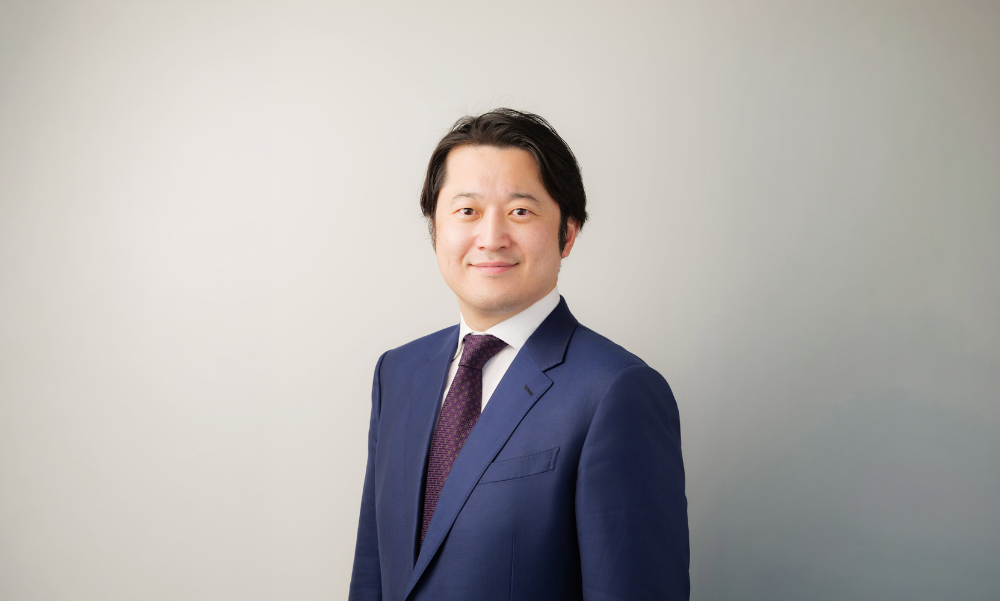
株式会社バッファロー 代表取締役 社長執行役員CEO
株式会社メルコグループ 代表取締役
第一回前橋国際芸術祭2026 アドバイザー
牧 寛之
(本稿はインタビューをもとに作成しました)
Melco Group Co., Ltd. is pleased to serve as a special coorganizer of the inaugural Maebashi Biennale 2026. While art festivals and regional revitalization initiatives are appearing throughout Japan, we believe the Maebashi biennale embodies a new kind of internationalism, one that blends together local and global perspectives in a way that will be vital to the future of Japan. This belief is why we chose to support the initiative not only in an advisory capacity, but also as a special coorganizer.
Today, cultural and artistic initiatives must be internationally competitive—just as businesses must—to achieve sustainability and growth. In Maebashi, both the public and private sectors share this aspiration, and the region has a proven track record of energetic development over the past decade. What was significant to me, however, was that Mr. Hitoshi Tanaka, head of the global eyewear brand JINS, was serving as the festival’s Executive Committee Chair and General Producer. A regional revitalization project led by an entrepreneur as rare as Mr. Tanaka—whose leadership is defined by both speed and flexibility—was something we at the Melco Group very much wanted to play a part in. We hoped not only to work with the people of Maebashi to help make this new art festival a success, but also to see this initiative become a model for invigorating regional culture across Japan through art.
My support for contemporary art began in 2023, when I opened my personal collection to the public in a building in Omotesando. Until then, I had regarded art primarily as an asset—objects to buy and sell. But through meeting many artists and curators at exhibitions of my permanent collection, new collaborations emerged as experiences, and I came to appreciate the depth and enjoyment of contemporary art. In 2024, I helped facilitate the donation of a major work—entrusted to me by a master artist living in Paris—to the National Museum of Modern Art, Kyoto. Both the artist and the museum were very pleased, and I experienced firsthand the value of this kind of support. At the time, the rapid depreciation of the yen had left public museums across Japan in financial difficulty, with acquisition budgets, and even curators’ research budgets, severely reduced.
That same year, I became one of the sponsors of the of the Yuko Mohri’s exhibition at the Japan Pavilion of the 60th Venice Biennale, and also provided support to curators for overseas research travel. Through these efforts to support overseas exhibitions and training for those working on the front lines of Japan’s art scene, my interactions with museum directors from across the country and business leaders who were also actively supporting the arts increased.
The guiding principle that I have adopted for future art support is “crossing borders.” In recent years, despite the remarkable progress that Japan’s professional sports have made, when selecting players for the national soccer team, for example, those who play only in domestic leagues are rarely chosen. In Japanese contemporary art, many artists and curators still work only within Japan. As in professional sports, building international competitiveness requires talented and motivated individuals to “cross borders,” and I believe it is important to look to the private sector, rather than the government, to pave the way for this to happen.
This is because I believe the knowledge gained by learning about the global contemporary art scene, and the participation as a company in the structures that support art and artists within Japan, are essential skills for future business leaders, who must be entrepreneurial and capable of multidimensional management.
In Japan, cultural and artistic activities, including art festivals, have generally been government-led endeavors with an emphasis on equality. Yet the reality is that even among graduates of the country’s top institution, Tokyo University of the Arts, only a small number can sustain longterm careers as artists. The world of culture and the arts is a highly selective and demanding one.
With 744 municipalities—approximately 40% of all municipalities nationwide—now classified as “at risk of disappearing,” and regional survival strategies emerging across the country, we regard the first Maebashi biennale, a privatesectorled, publicinterest cultural initiative, as a pioneering model for longterm community management from an entrepreneurial standpoint.
As the festival is a biennial event, I look forward to seeing Maebashi continue to evolve and improve with each edition. We at the Melco Group hope not only to root for the success of the people of Maebashi, but also to join them as partners, striving together to create a new landscape for regional development through art. To the people of Maebashi, we are looking forward to this challenge.
Hiroyuki Maki
President and CEO, Buffalo Inc.; President, Melco Group; Advisor to Maebashi Biennale 2026
(This article was compiled based on an interview.)