

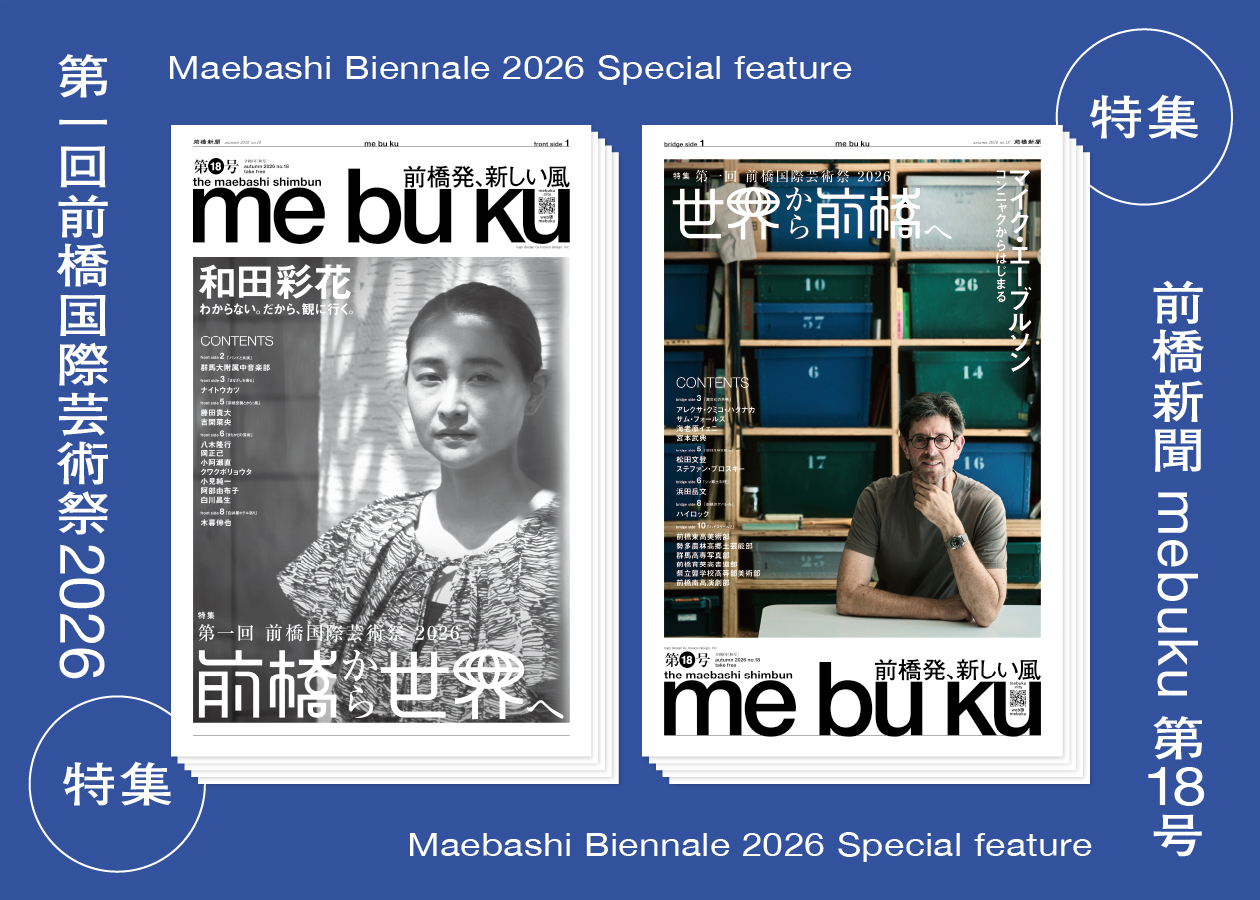
『Casa BRUTUS』にて8ページにわたりご紹介いただきました
Featured Across Eight Pages in Casa BRUTUS


「前橋まつり」開催中のため一部の室内展示を休場しています。
「前橋まつり」開催期間について
Some indoor exhibitions are temporarily closed during the Maebashi Festival.
During the Maebashi Festival
めぶく。
Where good things grow.
会期 Dates
2026年9月19日(土)–12月20日(日)[80日間]
September 19 (Sat)–December 20 (Sun), 2026 [80 days]
開場時間 Open
10:00ー18:00
最終入場 Last admission
17:30
閉場日 Closed
水曜日
Every Wednesday during the event period
※9月23日(祝・水)は開場、翌日9月24日(木)は振替閉場です。
※「前橋まつり」開催期間の10月10日(土)、11日(日)は混雑対応のため、一部会場の閉場もございます
※一部のパブリックアートなどはいつでもご覧いただけます。
※前橋文学館の開館時間は9:00~17:00です。この他にも会場により閉場日・時間が異なる場合があります。詳しくは作品ごとの公開日をご確認ください。
・The exhibition venues will be open on September 23 (Wed, National Holiday) and closed on September 24 (Thu) instead.
・During the Maebashi Festival on October 10 (Sat) and October 11 (Sun), some venues may be temporarily closed to help manage crowds.
・Some public artworks are accessible at any time.
・The Maebashi Literature Museum is open from 9:00 a.m. to 5:00 p.m.
・Please note that some venues may have different regular closing days. For details, please check the opening schedule for each artwork.
What is the Maebashi Biennale?

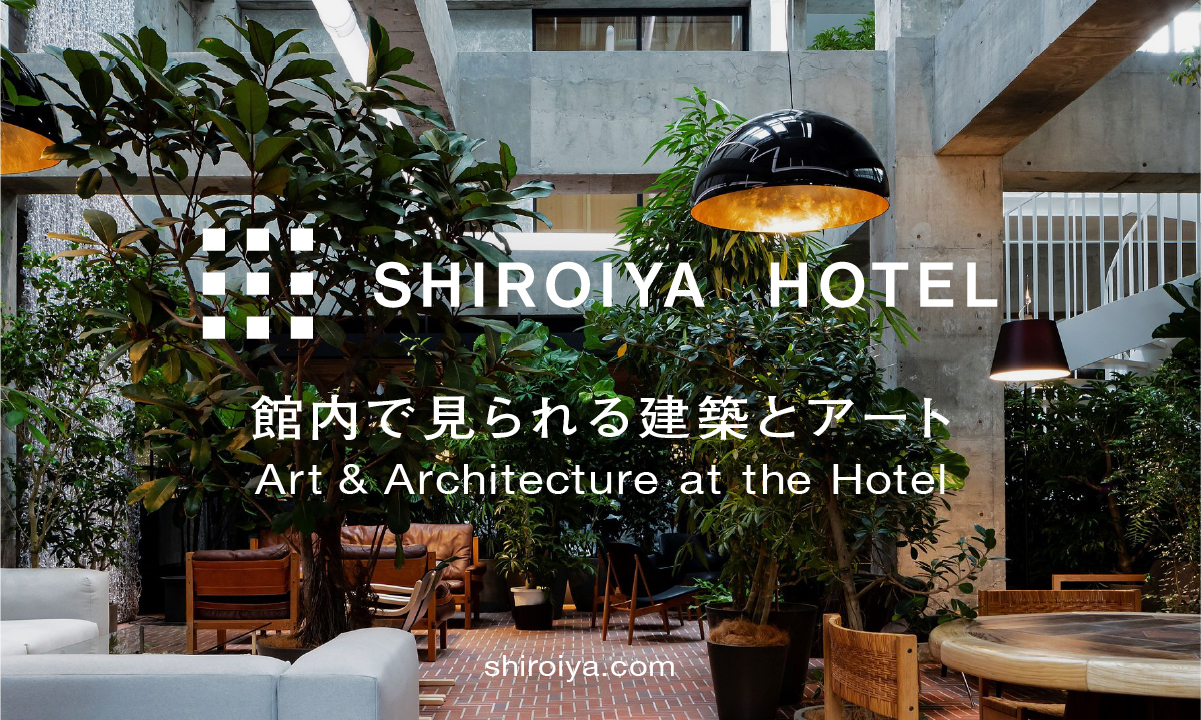
白井屋ホテルの建築とアートをめぐる〈SHIROIYA the TOUR〉。/Photo by Shinya Kigure SHIROIYA the TOUR: Exploring the art and architecture of the Shiroiya Hotel./Photo by Shinya Kigure
1
The City as
Architectural Mecca and Incubator of the Arts
前橋国際芸術祭実行委員会は2026年9月19日から2026年12月20日の80日間、群馬県前橋市のまちなかを舞台に、第一回前橋国際芸術祭2026を開催いたします。2016年に前橋市が策定したまちづくりビジョン「めぶく。」をコンセプトに、民間主導の再開発が進む前橋。建築家・藤本壮介さんらによる街の記憶を引き継ぐ先鋭的デザインの建築群が世界から注目を集めています。「めぶく。」策定から10年。ここから新たにはじまる前橋国際芸術祭は、中心市街地に点在するアートスポットを結び、芽吹きから若木へ、さらに感性を育む森へと、変容し続ける前橋の都市風景に人とまちをつなぐウォーカブルなアート体験をちりばめていきます。
From September 19 to December 20, 2026, the Maebashi Biennale Executive Committee will launch Maebashi Biennale 2026, a debut event that will unfold across the central district of Maebashi in Gunma Prefecture over the course of 80 days. Behind the festival is Maebashi’s “Mebuku” vision, conceived in 2016 to guide its development through a series of private sector-led redevelopment projects. These have included cutting-edge architectural works by Sou Fujimoto and others that have garnered international attention as structures that embody and perpetuate the city’s memories. Now, a decade later, this newly inaugurated art festival will connect people to art sites scattered throughout the city center, weaving walkable art experiences into Maebashi’s urban landscape, to spur its growth from a sprout, into a sapling, and finally into a forest that nurtures all the senses.

アートと生活が融合する《まえばしガレリア》。設計は平田晃久さん。 Maebashi Galleria, where art and daily life merge. Designed by Akihisa Hirata.
2
Experiencing the Energy
of a City Reborn
1990年代後半から中心市街地の衰退が続く前橋は、まちづくりビジョン〈めぶく。〉の策定以降、アートの感性を取り入れた都市空間の再整備が、川沿いの親水空間からアーケード商店街へひろがっています。徒歩圏内に〈アーツ前橋〉、〈白井屋ホテル〉、〈まえばしガレリア〉など、最先端のアートに触れられる現代建築群が集まり、シャッター通りとなっていたアーケード商店街ではユニークなローカルビジネスが続々と誕生しています。まちづくりの当事者たちが空きビルなどで仕掛ける劇場やアート民泊、音楽や食のプログラムも、変容する前橋のエネルギーを感じさせてくれるでしょう。私たちは2年周期で開催されるこの芸術祭を、国内外から招くアーティスト、地元・群馬の人々、そしてこの壮大な風景創造の挑戦に立ち会ってくださる鑑賞者の皆さまとともにつくり・ともに楽しんでいきます。
Since the late 1990s, Maebashi's central district has faced decline. Following the formulation of its urban development vision Mebuku, the city has revitalized many urban spaces, injecting them with aesthetic sensibilities, from the riverside waterfront area to the arcade shopping districts. Facilities such as Arts Maebashi, Shiroiya Hotel and Maebashi Galleria now offer access to cutting-edge contemporary art all within walking distance, and its once-shuttered arcades are seeing the rise of distinctive local businesses. Maebashi Biennale 2026 will not be limited to formal venues for the viewing of art, but will encompass the use of vacant buildings as theater spaces, art-themed lodgings, as well as music and food events organized by community development stakeholders. These initiatives not only reveal the true face of the city, they will shape the trajectory of this once-every-two-year event in a way that is enjoyed and shared by one and all.

アーツ前橋での山縣良和展「ここに いても いい」展示風景/2024 Exhibition view of Yoshikazu Yamagata's It's Alright To Be Here at Arts Maebashi, 2024.
3
In the Age of Global Tourism,
Delving Deeper into the Stories of the Land,
City and People
地方に大きな経済効果をもたらしているインバウンド。いま世界が日本文化の固有性に注目していますが、前橋中心市街地を歩く訪日客の姿は残念ながらほとんど見られません。そのため、第一回 前橋国際芸術祭は、世界水準の現代アートを地方都市でも享受できるショーケースをつくると同時に、赤城山に抱かれた暮らしの風景や、近代製糸や前橋空襲にまつわる先人たちの苦難の物語を掘り起こし、グローバルなアートの文脈で翻訳・発信するリサーチ型のプロジェクトにも力を入れていきます。この芸術祭は私たちの足元に埋もれた歴史や土地とのつながりをアートで結び直し、この時代の何処に立っているのか、何処へ向かっていくべきなのかを探る旅でもあるのです。
Thanks to inbound tourism, Japan has enjoyed significant economic benefits at the local level and a continuing rise in global interest in Japanese culture. Yet few international visitors can be seen walking through Maebashi’s city center. For this reason, the first Maebashi’s art biennale should not be thought of as an “international” showcase of world-class contemporary art for local consumption, but rather as an initiative that starts with the uncovering of the lived landscapes shaped by Mount Akagi, as well as the histories of modern silk production and the wartime air raids—stories of hardship carried by earlier generation that are translated and communicated through art within a global context. This process shoud be also seen as a journey—to rediscover the history buried under our feet and our connection to the land; to understand our position in the present era; and to explore possible directions for our future.

吉開菜央《風にのるはなし》2018/デジタル/9分 Nao Yoshigai, Kaze ni Noru Hanashi (A Story Carried on the Wind), 2018, digital, 9 min.
4
Art, Poetry, Film, Theater—
A Diversity of Forms
Revealing the Essence of Everyday Maebashi
前橋は日本近代詩の父・萩原朔太郎の生誕地で、その後も多くの詩人を輩出する〈水と緑と詩のまち〉です。前橋国際芸術祭では現代アートにとどまることなく、この街の日常に宿る記憶や物語を呼び出し、表現してくれるクリエイターを、詩・演劇・音楽などからも招聘。2025年から前橋市中心市街地を舞台とするパブリックアートの設置計画や、アーティストが商店街で暮らしながらリサーチや作品制作をおこなうアーティスト・イン・レジデンスを、群馬県が推進する〈群馬パーセントフォーアート〉と連携して実施してきました。その成果発表でもある2年に1度の芸術祭開催を積み重ねていくことで、アートやアーティストの存在は、この街の日常になっていくでしょう。
Maebashi, where Sakutaro Hagiwara the “father of modern Japanese poetry” was born, is known as the “City of Water, Greenery and Poetry” that has produced a great many other poets thereafter. Maebashi Biennale 2026 will invite creators not only from the area of contemporary art, but also from many other fields ranging from poetry and theater to film and music—artists capable of drawing out and expressing the memories and stories embedded in the city’s daily life. From 2025, the Executive Committee began collaborating with local communities in public art projects and the hosting of artists-in-residence who live, conduct research and create art within the city’s shopping arcades. These initiatives have been carried out in partnership with Gunma Percent for Art, an ordinance enacted by Gunma Prefecture for the building of a prefecture-wide creative infrastructure. The results of these efforts will be presented at the festival. Through repeated iterations of the Biennale, art and artists will gradually become part of the city’s everyday fabric.

2019年の「前橋めぶくフェス」に登場した《ガリバーテーブル》Gulliver Table, presented at the Maebashi Mebuku Festival in 2019.
5
Theme of the Inaugural Biennale:
Mebuku—Where Good Things Grow
「めぶく。Where good things grow.」は民間の視点から前橋市の特徴を調査・分析し、前橋市はどのようなまちを目指すのかを示す〈まちづくりビジョン〉として、2016年8月に策定されました。前橋市は田中仁財団との都市魅力アップ共創推進事業としてこの取り組みをおこない、策定のための調査をドイツのコンサルティング会社〈KMS TEAM〉に依頼。その結果、前橋について「Where good things grow.(良いものが育つまち)」という分析がなされました。この英文に前橋市出身のコピーライター・糸井重里さんが新しい解釈を加え、日本語で「めぶく。」と表現されました。このビジョン策定から10年の節目に開催する前橋国際芸術祭2026では、参加アーティストとともに人々が未知のものに触れ心を動かすアート体験を創造し、街のあちこちで未来を彩る「めぶく。」を起こしていきます。
Mebuku—Where Good Things Grow. This catchphrase encapsulates Maebashi’s vision formulated in August 2016 of the city’s future development based on an analysis on the city’s characteristics conducted from the perspective of its private sector. This initiative was first proposed by the Hitoshi Tanaka Foundation as part of the Urban Attractiveness Enhancement Co-Creation Project, a public–private collaboration between the foundation and Maebashi. As a result of the study, which was conducted by the German consulting firm KMS TEAM, known for its branding strategies for companies such as Porsche and Adidas, Maebashi was branded as “a place where good things grow.” This concept, in turn, was reinterpreted and expressed by copywriter Shigesato Itoi, a Maebashi native, with the Japanese word “mebuku,” which means “to sprout.”




News
Artworks & Artists & Art Project
Architecture
Events
Exploring Maebashi
Supporting Regional Revitalization Through Art
Official Merchandise
Connect
CORPORATE FURUSATO TAX (HOMETOWN TAX) DONORS
CORPORATE SPONSORS
GRANT BY
OFFICIAL PARTNER

LOCAL SUPPORTER
Alexa Kumiko Hatanaka, Hakanai

手漉き和紙などの伝統的な素材を用いた作品で世界的な注目を集めているアレクサ・クミコ・ハタナカ。和紙を「第二の皮膚」のように扱い、染め・刷り・縫い・重ねるプロセスを通じて、メンタルヘルスと環境問題が交差する領域を探究しています。
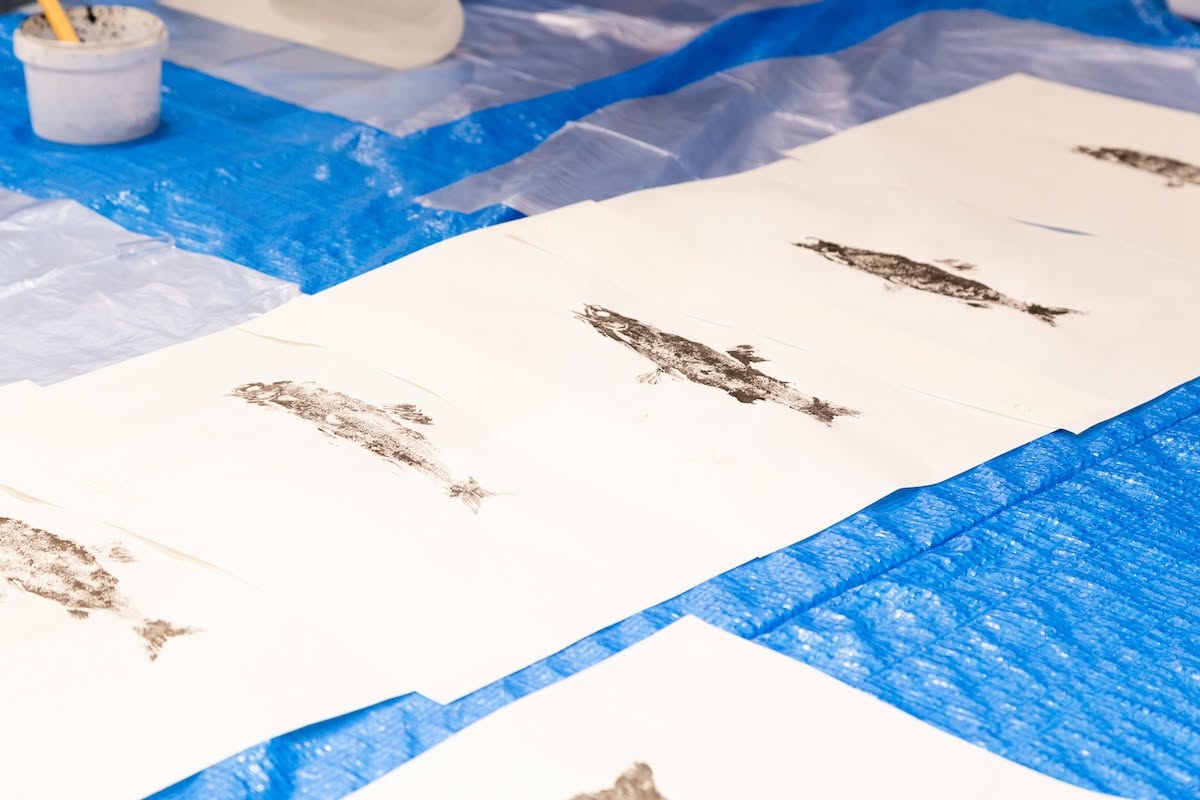
《儚い》では、何百もの和紙の端切れから作られたハタナカ自身の身体のシルエットが、鯉のぼりとしての魚のモチーフ、地元の鮎の魚拓、そして鯉が100年かけて滝を登るという伝説への参照と交錯します。人物と魚には不思議な重みがあり、落下しているようでも、浮遊しているようでも、身を引いているようでも、身を委ねているようでもあります。ハタナカにとって、それらは孤独、切望、楽観、絶望といった、幾重にも重なる自身の経験の表現です。
ハタナカは前橋周辺の伝統的な手仕事の現場を訪ねました。桐生の手漉き和紙を、自身の紙、そして長年関係を築いてきた高知の鹿敷製紙の和紙と組み合わせて使用しています。また、織物の産地として知られる桐生の平賢が制作した鯉のぼりのプリントを作品に取り入れています。
古くから、子どもの健やかな成長を願って日本の青空に掲げられてきた鯉のぼりですが、現在では日本の深刻な少子化や海外製の安価な代替品によって目にする機会が減り、製造をやめる工房も増えています。これは資本主義のもとにある世界がもたらした結果であり、同時に、かつてないほどの孤独、不安、抑うつも生み出しています。本来は祝祭的なものである鯉のぼりも、いまや危機の象徴として捉えることができ、その姿は、むしろ戦争と結びついていた本来の由来(旗指物や軍旗)に近づいているともいえます。
鯉のぼりに表れる手仕事のゆっくりとした時間、ハタナカが用いる伝統的な制作工程、そして古くからの技術とそれを支える自然環境を継承する和紙職人たちの営みは、資本主義の前提となっている加速、個人主義、環境破壊、そして私たちの健康やコミュニティを蝕む力に対する抵抗とも見てとれます。
ハタナカの《儚い》は、世界への無常感を前に、先取りするように感じられるノスタルジアと、人とのつながりや共につくる時間を感謝とともに経験することの大切さを捉えています。
「同じように、苦しみの瞬間も永遠には続きません。工芸も永遠に同じ姿のままではなく、変化しながら生き続けることは、私たちを身体、自然、そして互いへとつなぎ、伝統を含む別の現実を想像し、ともにつくり出していくことの一部なのです」と彼女は語ります。
大空ではなく、美術館の吹き抜けに吊られた多彩な和紙の姿は、揺らめきながら、私たちの過去・現在・未来についてさまざまな問いを投げかけているのです。
Alexa Kumiko Hatanaka has gained international attention for works made with traditional materials such as hand-made washi. Treating washi as a “second skin,” she explores the space where mental health and environmental issues intersect through the processes of dyeing, printing, stitching, and layering.
In Ephemeral, the silhouette of her own body—constructed from hundreds of scraps of washi—intertwines with fish motifs in the form of carp streamers (koinobori), local ayu fish rubbings, and references to the legend of a carp that took over a hundred years to climb up a waterfall. The figures and fish are of mysterious weight: they seem to fall, float, withdraw and yield all at once. For Hatanaka, these forms express overlapping experiences of loneliness, longing, optimism, and despair.
During her stay, she visited traditional craft workshops around Maebashi. She combined hand-made washi from Kiryu with her own paper and with sheets produced by Kashiki Seishi (papermakers) in Kochi, with whom she has collaborated for many years. She also incorporated carp-streamer prints made by Hiraken, a Kiryu-based textile producer.
Carp streamers, waving in Japanese skies as symbols of children’s healthy growth, were once commonly seen, but are now less common due to declining birth rates and inexpensive imported alternatives. More workshops have stopped producing them. This shift reflects the pressures of a capitalist world that has also intensified loneliness, anxiety, and depression to an unprecedented degree. One might say a celebratory object has become a marker of crisis, one whose appearance has become closer to its historical origins as a military banner or battle flag linked to war.
The slowness inherent in the crafting of carp streamers, the traditional processes Hatanaka employs, and the work of washi artisans who sustain long-standing techniques and the natural environments that support them, can be seen as a form of resistance to the acceleration, individualism and environmental degradation that underpin capitalism, and the forces that erode our health and community.
Ephemeral captures a nostalgia that seems to anticipate the world’s impermanence, while also affirming the importance of experiencing our connections with others and the time we create things together, all with a sense of gratitude.
As Hatanaka says: “Moments of suffering do not last forever, and craft itself does not remain unchanged. The part that continues to live even while changing is what keeps us connected to our bodies, to nature, and to one another, allowing us to imagine and co-create alternative realities, including new forms of tradition.”
Suspended not in the open sky but in the museum’s atrium, the colorful pieces of washi paper flutter gently, posing various questions our past, present, and future.

アーツ前橋/前橋シネマハウス
Arts Maebashi / Maebashi Cinema House
Alexa Kumiko Hatanaka
アレクサ・クミコ・ハタナカ

アーティスト。1988年カナダ・トロント生まれ。日系カナダ人かつクィア・アーティストであり、双極性障害とともに生きる経験が作品制作の基盤となる。主に紙を用い、版画、インクドローイング、草木染めを縫製と組み合わせ、伝統的な紙の技法と素材を現代的に再解釈する。これらはハタナカの彫刻、大規模な版画インスタレーション、着用可能な彫刻立体作品として現れ、気候変動や精神的健康、生存といった問いに応答する。風景や魚、水域のモチーフは苦しみやしなやかさ、つながり、喜びを語る。個人および共同制作の作品は、アーモリー・ショー(アメリカ)、オンタリオ美術館、大英博物館、トロント・ビエンナーレなどで展示された。その他、コレクションとしてカナダ国立美術館(カナダ)、滋賀県立美術館(日本)、マテリアル・アート・アンド・デザイン博物館(アメリカ)に収蔵。
Artist. Born in 1988 in Toronto, Canada, Alexa Kumiko Hatanaka is a Japanese-Canadian queer artist whose experience living with bipolarity forms the foundation of her practice. Working primarily with paper, she combines printmaking, ink drawing, natural dyeing, and sewing to contemporize traditional paper techniques and materials. These take shape as sculpture, large-scale print installations, and wearable sculptures that respond to questions of climate change, mental health, and survival. Motifs of landscapes, fish, and bodies of water speak to experiences of struggle, resilience, connection, and joy. Her individual and collaborative works have been exhibited at The Armory Show, United States, the Art Gallery of Ontario, the British Museum, and the Toronto Biennial of Art. Her works are part of the permanent collections at The National Gallery of Canada, Canada; The Shiga Prefecture Museum, Japan; The Material Art and Design Museum, United States.
Naoki Ishikawa, A Journey to Denjiro
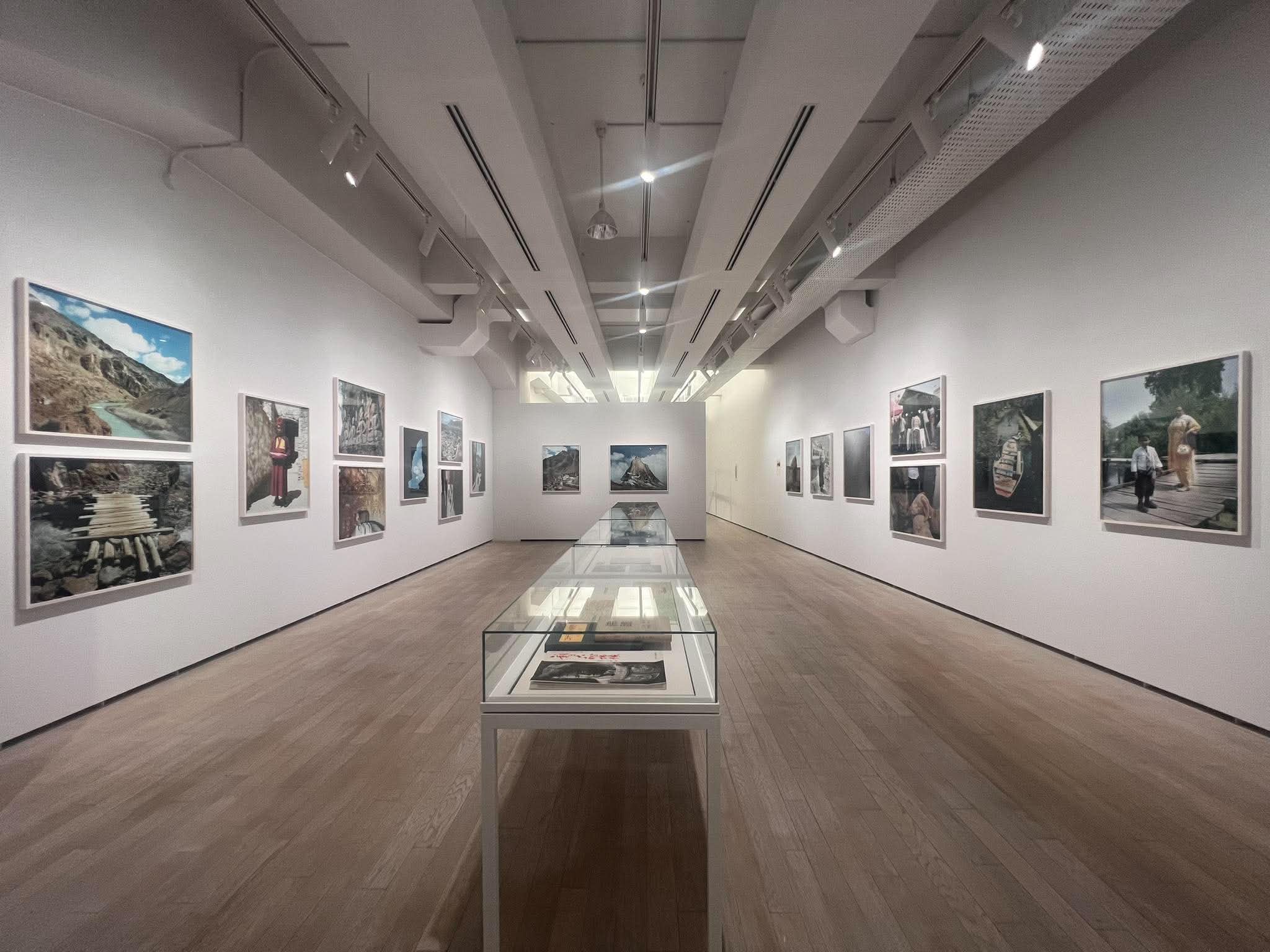
人類学や民俗学的な視点を持ち、辺境から都市までを旅する写真家・石川直樹。2024年、14座の8000m峰すべてに写真家として登頂しました。 本芸術祭で石川は、日本人で初めてヒマラヤを撮影した写真家である長谷川傳次郎と、日本におけるスキーの草分け的存在であり、赤城山に暮らした猪谷六合雄の交友に着目。石川がカシミール、ナンガ・パルバット、赤城山などで撮影した写真を、二人にまつわる資料とともに展示します。1930年、千島で共同生活を送り、ヒマラヤ行きを夢見た二人。しかし、その計画は戦争によってついに叶うことはありませんでした。二人の「奇人」と石川のまなざしが交差する展示は、混迷を深める今、私たちにどのような「生きる力」を語りかけるでしょうか。
協力:志賀高原歴史記念館
Photographer Naoki Ishikawa, known as a photographer who travels to a vast range of locales that range from cities to remote landscapes with an anthropological and ethnographic perspective. In 2024, he became the first photographer to reach the summits of all fourteen of the world’s 8,000-meter peaks. For the biennale, he focuses on the friendship between Denjiro Hasegawa, the first Japanese photographer to document the Himalayas, and Rokuo Inugai, a pioneer of skiing in Japan who lived on Mount Akagi. It features photographs taken by Ishikawa in Kashmir, Nanga Parbat, Mount Akagi, and other locations, alongside archival materials related to the two men. In 1930, the two men lived together in the Kuril Islands and dreamed of traveling to the Himalayas, a plan that failed to materialize due to the war. In this exhibition, where the perspectives of two “eccentrics” intersect with Ishikawa’s own, what tales does it offer us about the power to perservere in our increasingly turbulent times?
Cooperation provided by: Shiga Kogen History Museum
アーツ前橋/前橋シネマハウス
Arts Maebashi / Maebashi Cinema House
Naoki Ishikawa
石川直樹

写真家。1977年東京都生まれ。東京藝術大学大学院美術研究科博士後期課程修了。人類学や民俗学に関心を持ち、都市から辺境の地まであらゆる環境を旅しながら撮影を続けている。2011年『CORONA』(青土社)により土門拳賞、2020年『まれびと』(小学館)、『EVEREST』(CCCメディアハウス)により日本写真協会賞作家賞を受賞。2026年『最後の山』(新潮社)により読売文学賞、梅棹忠夫・山と探検文学賞を受賞した。作品は、東京都現代美術館、東京都写真美術館、横浜美術館、沖縄県立美術館等に収蔵されている。最新刊に『はじまりの火山』(平凡社)、『シシャパンマ』(平凡社)、『K2』(小学館)など。
Photographer. Born in Tokyo in 1977. Completed the Doctoral Program in Fine Arts at Tokyo University of the Arts. With a deep interest in anthropology and folklore, he continues to travel and photograph environments ranging from remote regions to major cities. He received the Domon Ken Award in 2011 for CORONA (Seidosha), and in 2020 the Japan Photographers Association Award for Marebito (Shogakukan) and EVEREST (CCC Media House). In 2026, Saigo no Yama (The Last Mountain) (Shinchosha) won both the Yomiuri Prize for Literature and the Umesao Tadao Prize for Mountain and Exploration Literature. His works are held in the collections of the Museum of Contemporary Art Tokyo, the Tokyo Photographic Art Museum, the Yokohama Museum of Art, and the Okinawa Prefectural Museum & Art Museum. Recent publications include Hajimari no Kazan (Heibonsha), Shishapangma (Heibonsha), and K2 (Shogakukan).
Sam Falls《Eternal Return》《Bellows (2)》《Days of Grace》

フォールズは、主に屋外で制作を行い、そこで生まれる大気・植物・光・時間、そして自然の偶然性との緊密なコラボレーションを通じて、美学と環境を結びつける共生的なアプローチで知られるアーティストです。
本展の出展作《Bellows》は野外にキャンバスを敷いて制作された「写真と絵画のはざま」といえる作品です。1層目は夏のニューヨークでは珍しく雨が降ったため乾燥顔料が溶けてぼやけ、逆に降り止んだ2層目は植物のシルエットがシャープに定着したといいます。このように濃淡が異なる画面上のレイヤーが「多重露光」のように見えることから、大判アナログカメラの「蛇腹(Bellows)」と名付けられました。
《Eternal Return》は、ハドソンバレーで採集したシダ科の植物を用いて描かれています。人間の親子を想起させるシルエットは、長い茎は骨に、葉脈は血管のように配置され、自然と共に循環する作家自身の人生のステージや、死後(アフターライフ)における消滅と再生のイメージが暗示されています。
協⼒:小山登美夫ギャラリー
Falls is known mainly for his work that he creates outdoors, where he engages closely with the atmosphere, plants, light, time, and the contingencies of nature, forming a symbiotic approach that links aesthetics and environment. Created by laying a canvas outdoors, Bellows, a work featured in the exhibition, might be described as existing “in the space between photography and painting.” In the first layer, a rare summer rain in New York dissolved and blurred dry pigments. In the second layer, after the rain had stopped, plant silhouettes were sharply fixed. Because the different densities of the layers resemble multiple exposures, the work was titled Bellows, after the accordion-like structure of large-format cameras. Eternal Return uses ferns collected in the Hudson Valley. The silhouettes evoke a human parent and child, with the long stems arranged like bones and the leaf veins resembling blood vessels. The work suggests the stages of the artist’s own life as they cycle with nature, and images of disappearance and rebirth in the afterlife.
Cooperation provided by: Tomio Koyama Gallery
アーツ前橋/前橋シネマハウス
Arts Maebashi / Maebashi Cinema House
Sam Falls
サム・フォールズ

1984年生まれ。アメリカ・バーモント州で育ち、現在はロサンゼルスを拠点に制作活動を行う。アメリカのリード大学で物理学、言語学、哲学などを学んだ後、2010年ICPバード芸術研究課程修了。主な個展に「We Are Dust and Shadow」(クリーブランド現代美術館、オハイオ州、2023年)、「Nature Is the New Minimalism」(トレント・ロヴェレート近現代美術館、イタリア、2018年)、アーマンド・ハマー美術館(ロサンゼルス、2018年)、The Kitchen(2015年)、Ballroom Marfa (テキサス、2015年)があり、第21回シドニービエンナーレ(2018年)にも参加。また近年日本での作品発表も続いており、2025年には金沢21世紀美術館、下瀬美術館、タグチアートコレクションでのグループ展に出展している。
Born in 1984, Sam Falls was raised in Vermont and lives and works between Los Angeles and New York. He studied physics, linguistics, and philosophy at Reed College, receiving his BA in 2007 and his MFA from ICP-Bard in 2010. Recent solo museum exhibitions by Sam Falls include We Are Dust and Shadow, MoCa, Cleveland, Ohio (2023); Nature Is the New Minimalism, Museum of Modern and Contemporary Art Trento and Rovereto, Italy (2018); Hammer Museum, Los Angeles, CA, US (2018); The Kitchen, New York (2015); and Ballroom Marfa, Texas (2015); as well as participation in the 21st Biennale of Sydney (2018). He has also exhibited works in Japan in recent years, participating in group exhibitions at the 21st Century Museum of Contemporary Art, Kanazawa, the Shimoze Museum of Art, and the Taguchi Art Collection in 2025.
Tadashi Kawamata, Tree Hut Maebashi 2026

木材や建築廃材などを用いて、既存の都市空間や自然環境に適応・介入するサイトスペシフィックなインスタレーションで知られる川俣正。制作プロセスそのものを作品とする「ワークインプログレス」の代表的な作家であり、世界各地で芸術・建築・公共を問う野外プロジェクトを展開しています。街路樹などに設置する《Tree Hut》は、川俣が2007年にノルウェーで初めて制作し、その後も各都市で展開しているプロジェクト。前橋では前橋国際芸術祭のはじまりを記念するシンボルとして、アーツ前橋正面のケヤキに1基を現地制作した他、国道50号の公開空地(MAP-S)に市民と構想した2基を設置しました。
協⼒:株式会社アートフロントギャラリー、株式会社鈴木事務所
Tadashi Kawamata is known for his creation of in-situ installations that adapt to or intervene in existing urban spaces and natural environments using untreated wood and construction waste. As a leading proponent of the “work-in-progress” movement in which the creative process itself is treated as art, he has developed outdoor initiatives around the world that explore the intersections of art, architecture, and the public sphere. His project to install “tree huts” in urban trees and other locales was first launched in Norway in 2007 and has since expanded to other cities around the world. To mark the holding of Maebashi’s first biennale, one tree hut was locally crafted and installed in the zelkova tree in front of Arts Maebashi, and two others, jointly conceived with local residents, were installed in public open spaces (MAP-S) along National Route 50.
Cooperation provided by: Art Front Gallery Co.,Ltd., Yusuke Suzuki Design Office Inc.

屋外作品(ほかに[A]・[S])
Public Art (also at [A] and [S])
Tadashi Kawamata
川俣正

1953年北海道三笠市生まれ、フランス在住。第40回ヴェネツィア・ビエンナーレ(1982年)、ドクメンタ8(1987年)など大規模な国際現代美術展への出品を重ね、海外でもっともよく知られる日本人アーティストの一人である。横浜トリエンナーレ総合ディレクター、東京藝術大学大学院教授、パリ国立高等芸術学院教授などを経て、現在はパリを拠点とする。既存の美術表現の枠組みを超えて、建築や都市計画、歴史や地域コミュニティといった異なる分野と積極的に関わり、長期的なプロジェクトをダイナミックに展開するスタイルはアートシーンに大きな影響を与え続けてきた。主な展覧会・プロジェクトに「川俣正・東京インプログレス」(東京/2010-2013年)、「椅子の回廊」(サルペトリエール病院サン・ルイ教会、フランス/1997年)、「ワーキング・プログレス」(アルクマー、オランダ/1996-1999年)、「Destroyed Church」(カッセル、ドイツ/1987年)などがある。
Born in 1953 in Mikasa, Hokkaido, Japan, he is currently based in Paris. He has participated in major international contemporary art exhibitions, including the 40th Venice Biennale (1982) and documenta 8 (1987), and is regarded as one of the most internationally recognized Japanese artists. He previously served as director of the Yokohama Triennale, professor at the Graduate School of Tokyo University of the Arts, and professor at the École nationale supérieure des Beaux-Arts in Paris. He is currently based in Paris. His practice extends beyond conventional art frameworks, actively engaging with fields such as architecture, urban planning, history, and local communities, and he has developed long-term, large-scale projects that have had a significant impact on the art field. His major exhibitions and projects include Kawamata Tadashi: Tokyo In Progress, Tokyo (2010–2013); Corridor of Chairs, Chapelle Saint-Louis de la Salpêtrière, France (1997); Working Progress, Alkmaar, Netherlands (1996–1999); and Destroyed Church, Kassel, Germany (1987).
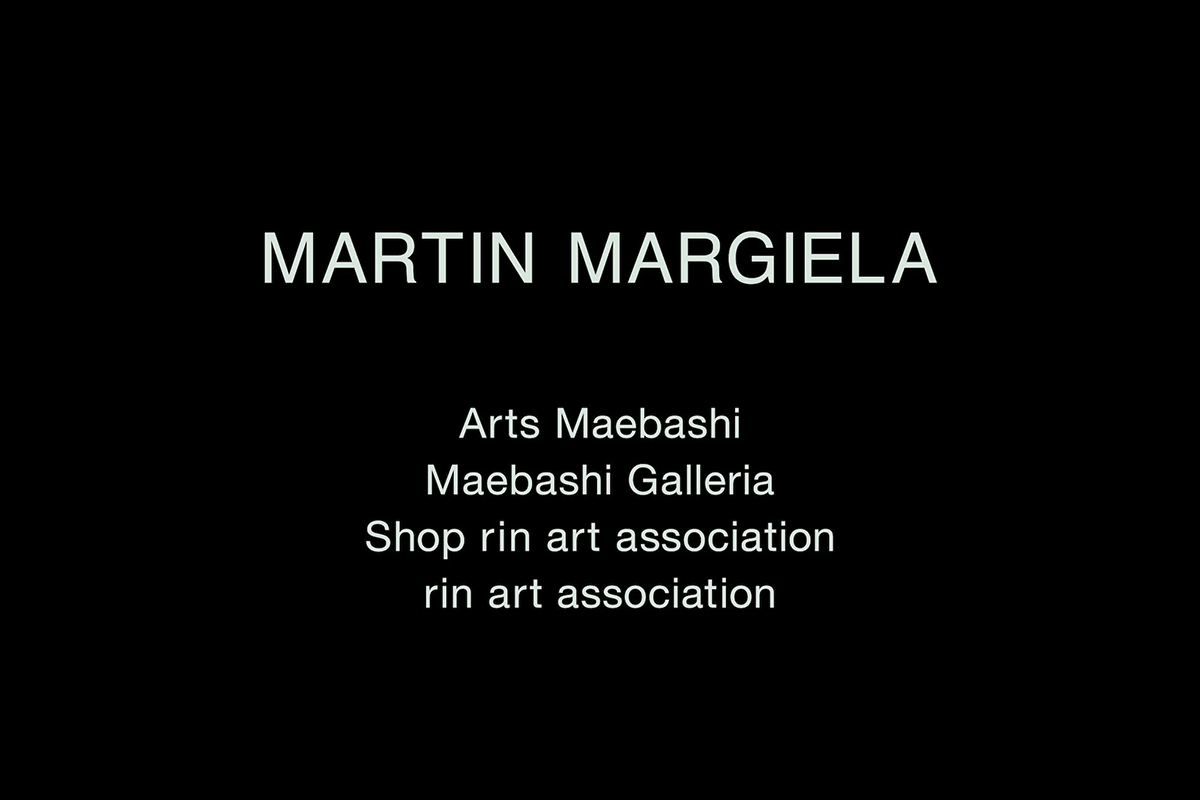
Martin Margiela, PODIUM

2008年にファッション界を退き、アーティストに転⾝したマルジェラは、⼈間の⾝体や痕跡・時間・不在といった主題を軸に表現活動を継続しており、そのアートワークは⽇常の中で⾒過ごされがちな物や状況への鋭い観察から⽣まれ、平凡なものを⾮凡なものへと転化させる⼒を持っています。
本作《PODIUM》とは、「演壇(ステージ)」や「表彰台」を意味します。ここでも平坦な構造物が人工毛で覆われ、本来の意味や機能が転換・変容させられ、まったく別の官能性を生み出しています。
衣服であれアートであれ、マルジェラのクリエーションは、目に見える「表層」とその「内側」にある本質との関係性を鑑賞者に問いかけます。
演壇のカモフラージュを美術館に置いたマルタン・マルジェラ。スフィンクスのように鎮座する《PODIUM》から、私たちはどのような問いを受け取るでしょうか。
協力:rin art association、エドストロームオフィス、Gallery Nao Masaki、Bernier / Eliades Gallery
Margiela, who retired from the world of fashion in 2008 to become an artist, continues his creative practice centered on themes such as the human body, traces, time, and absence. His artwork arises from keen observations of objects and situations often overlooked in daily life and possesses the power to transform the ordinary into the extraordinary.
PODIUM refers to a stage or lecturn. Here, a flat structure is covered with synthetic hair, altering and displacing its original meaning and function to produce a different sensuality.
Whether in clothing or art, Margiela’s creations prompt viewers to consider the relationship between visible surfaces and the essence beneath them. Placed in the museum, this camouflaged podium sits like a sphinx. What questions does it pose to us?
Cooperation provided by: rin art association; Edström Office; Gallery Nao Masaki; Bernier/Eliades Gallery
アーツ前橋/前橋シネマハウス(ほかに[O]・[P])
Arts Maebashi / Maebashi Cinema House (also at [O] and [P])
Martin Margiela
マルタン・マルジェラ

1957年ベルギー・ルーヴェン生まれ。アントワープ王立芸術学院卒業後、ジャン=ポール・ゴルチエのアトリエでデザインアシスタントをスタート。1988年にジェニー・メレンズとともにパリで「メゾン マルタン マルジェラ」を設立、初のショーを発表。20周年ショーを機にファッション界を離れビジュアルアートに専念し、2019年にビーレフェルト美術館にて初のグループ展に参加。2021年にパリのラファイエット・アンティシパシオンで開催した初個展が、北京のエムウッズ、ソウルのロッテ美術館に巡回する。2023年にEenwerk Gallery(アムステルダム)にて個展、2024年にBernier/Eliades Gallery(ブリュッセル/アテネ)にて個展を開催。今年4月には日本初となる大規模個展を九段ハウスにて開催。タカ・イシイギャラリー京都での展覧会と併せて大きな話題を呼んだ。
Martin Margiela was born in 1957 in Leuven, Belgium. After graduating from the Royal Academy of Fine Arts Antwerp, he began his career as a design assistant in the studio of Jean Paul. In 1988, he co-founded Maison Martin Margiela in Paris with Jenny Meirens and presented the first show of the brand. Following the 20th anniversary show of the house, he left the fashion industry to focus on visual art. In 2019, he participated in his first group exhibition at the Kunsthalle Bielefeld. In 2021, he held his first solo exhibition at Lafayette Anticipations in Paris, which later traveled to MWoods in Beijing and the Lotte Museum of Art in Seoul. In 2023, he held a solo exhibition at Eenwerk Gallery in Amsterdam, followed by a solo exhibition at Bernier/Eliades Gallery in Brussels and Athens in 2024. In April of this year, he held his first large-scale solo exhibition in Japan at Kudan House in Tokyo. This, along with a concurrent exhibition at Taka Ishii Gallery Kyoto, garnered immense attention.
Maebashi Galleria / 2023
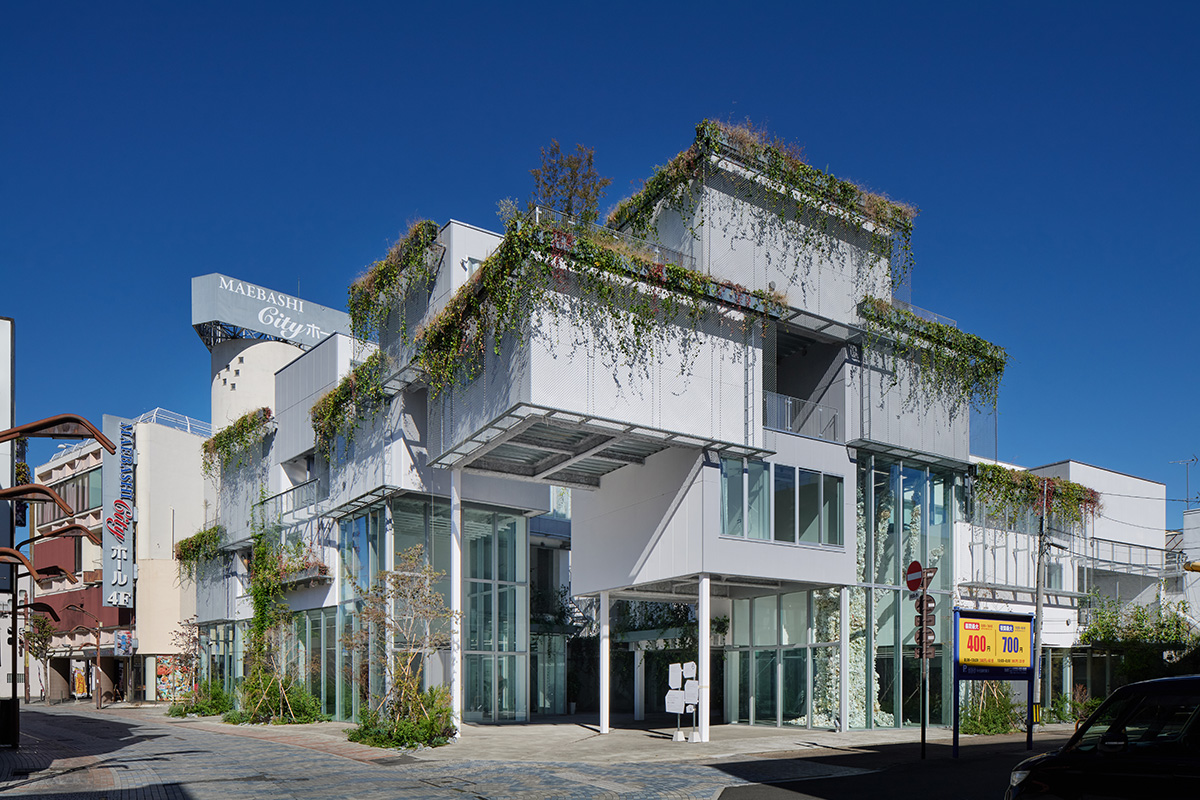
「街の活力を芽吹かせる広場のようなものをつくりたい」という依頼を受け、建築家の平田晃久が設計を手がけた《まえばしガレリア》は、緑化された住居群を輪のように浮かべ、その下に店舗と中庭が一体化した広場をつくるという、さながら〈一本の樹〉のような構造を持つ建築物です。〈庭と室内〉〈街路と中庭〉など、内外の複数の異なる場所が有機的につながる《まえばしガレリア》からは、現代アートや美食といった新しい前橋の文化の響きが生まれており、「アートと建築の街・前橋」を象徴する建築となっています。
Maebashi Galleria was designed by architect Akihisa Hirata with the mandate to create a plaza that leads to the “sprouting” of new vitality in the city. The building arranges greenery-rich residences in a ring-like configuration, floating above a plaza where shops and a courtyard interweave. With a structure resembling a single tree that organically connects multiple indoor and outdoor spaces such as gardens, interiors, streets and courtyards, Maebashi Galleria generates new cultural resonances, from contemporary art to gastronomy. It has become a symbol of Maebashi as a city of art and architecture.
Akihisa Hirata
平田 晃久
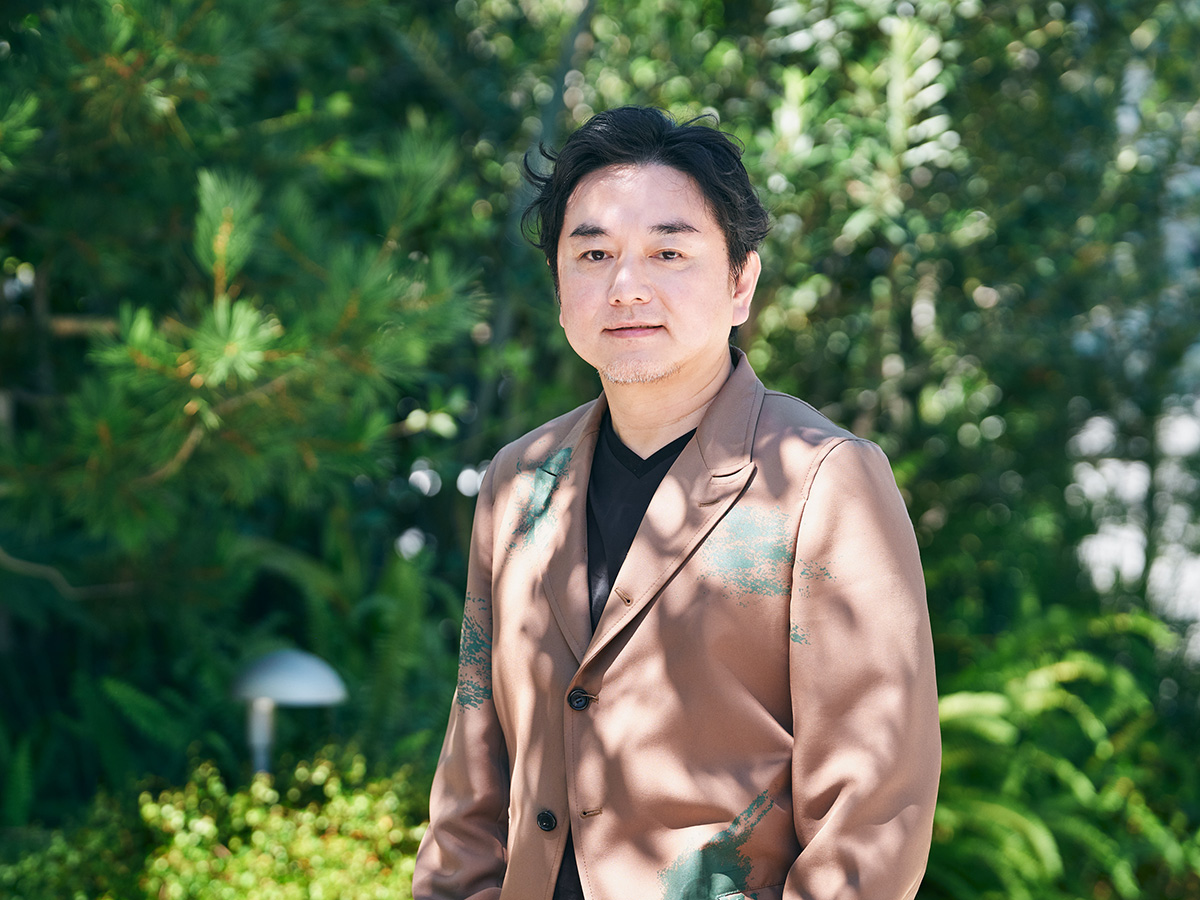
建築家、京都大学教授。1971年大阪府に生まれる。1997年京都大学大学院工学研究科修了。伊東豊雄建築設計事務所勤務の後、2005年平田晃久建築設計事務所を設立。現在、京都大学教授、イェール大学客員教授(2025)。主な作品に、「sarugaku」(2008)、「太田市美術館・図書館」(2017)、「八代市民俗伝統芸能伝承館」(2021)、「ハラカド」「小千谷市立図書館ホントカ。」(2024)等。第19回JIA新人賞(2008)、村野藤吾賞(2018)、日本建築学会賞(2022)等多数受賞。著書に『Discovering New』(TOTO出版)等。
Akihisa Hirata is an architect and Professor at Kyoto University. Born in Osaka in 1971, he completed the Graduate School of Engineering at Kyoto University in 1997. After working at Toyo Ito & Associates, Architects, he founded Akihisa Hirata Architecture Office in 2005. He is currently Professor at Kyoto University and Visiting Professor at Yale University (2025).
His works include "sarugaku" (2008); "ART MUSEUM & LIBRARY, OTA" (2017); "Yatsushiro City Center for Folk Performing Arts" (2021); Tokyu Plaza Harajuku "Harakado" (2024); and "Hontoka. Ojiya City people, town, culture co-creation base" (2024). His many honors include the 19th JIA Young Architect Award (2008); the Murano Togo Prize (2018); and the Architectural Institute of Japan Prize (2022). His publications include Discovering New published by TOTO Publishing.
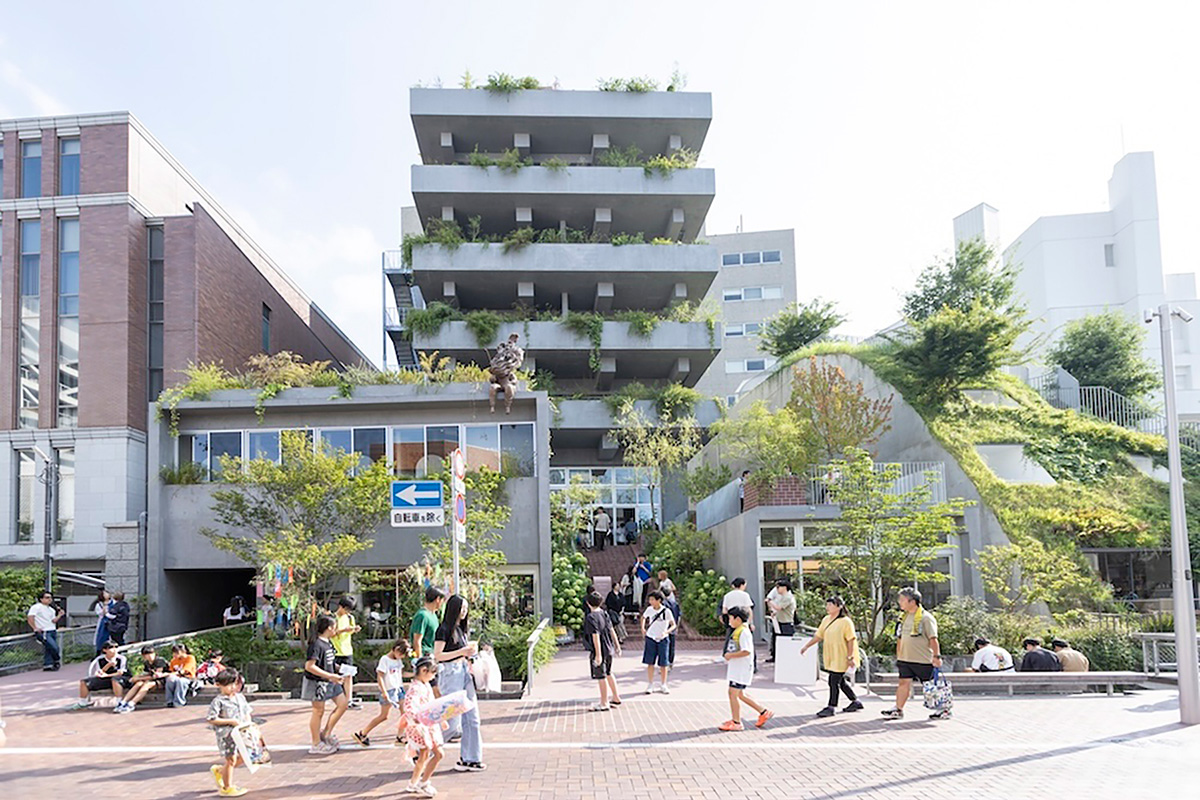
Babakkawa Square / 2024
馬場川通り沿いに建つ《ばばっかわスクエア》は、テナント・オフィス・住宅のそれぞれ独立した機能を内包した建築で、谷尻誠と吉田愛が率いる建築設計事務所「SUPPOSE DESIGN OFFICE」が設計を手掛けました。かつて利根川の流れが削り出した、敷地の奥に行くにしたがって地盤が上がっていく特徴的な地形をそのまま活かし、同時期に計画された馬場川通りのランドスケープを引き込むよう設計されました。再開発の起点として前橋の未来を象徴するストリートになった「馬場川通り」と共存共栄し、その発展に寄与できる建築となることを目指して建設されました。
Located along Babakkawa Street, Babakkawa Square contains three independent functions: retail, offices, and housing. Designed by SUPPOSE DESIGN OFFICE and led by Makoto Tanijiri and Ai Yoshida, the project uses the street’s distinctive upward slope, shaped historically by the flow of the Tone River, to integrate the square with the concurrently planned streetscape. Their aim was to create a public square that would coexist with, flourish with, and contribute to the evolution of a street that has come to symbolize Maebashi's future as the starting point for its redevelopment.
SUPPOSE DESIGN OFFICE
SUPPOSE DESIGN OFFICE
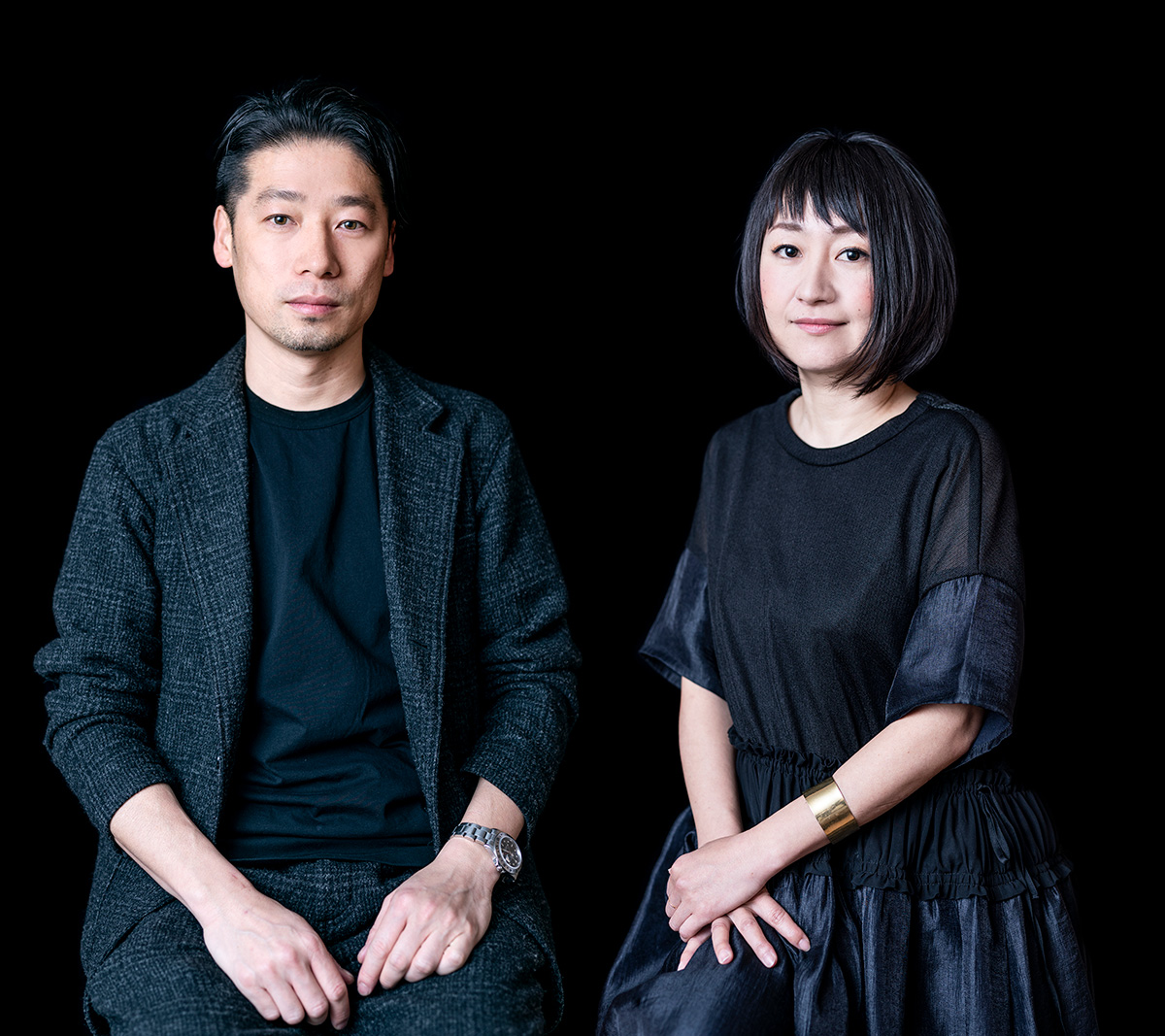
2000年設立。谷尻誠、吉田愛率いる建築設計事務所。広島・東京の2か所を拠点とし、住宅、商業空間など、国内外で幅広い分野のプロジェクトを多数手がける。東京事務所併設の「社食堂」「BIRD BATH & KIOSK」、広島の商業施設「猫屋町ビルヂング」の運営など、自ら事業を作り上げ運営に挑戦するなど事業の幅を広げている。
Founded in 2000. SUPPOSE DESIGN OFFICE is an architecture and design studio led by Makoto Tanijiri and Ai Yoshida. Based in Hiroshima and Tokyo, the studio undertakes numerous projects across a wide range of fields, including residential and commercial spaces, both in Japan and internationally. The studio has also taken on the challenge of building and operating its own businesses, including "Shashokudo" and "BIRD BATH & KIOSK" within its Tokyo office, and the commercial facility "Nekoyamachi Building" in Hiroshima, expanding the range of its activities.
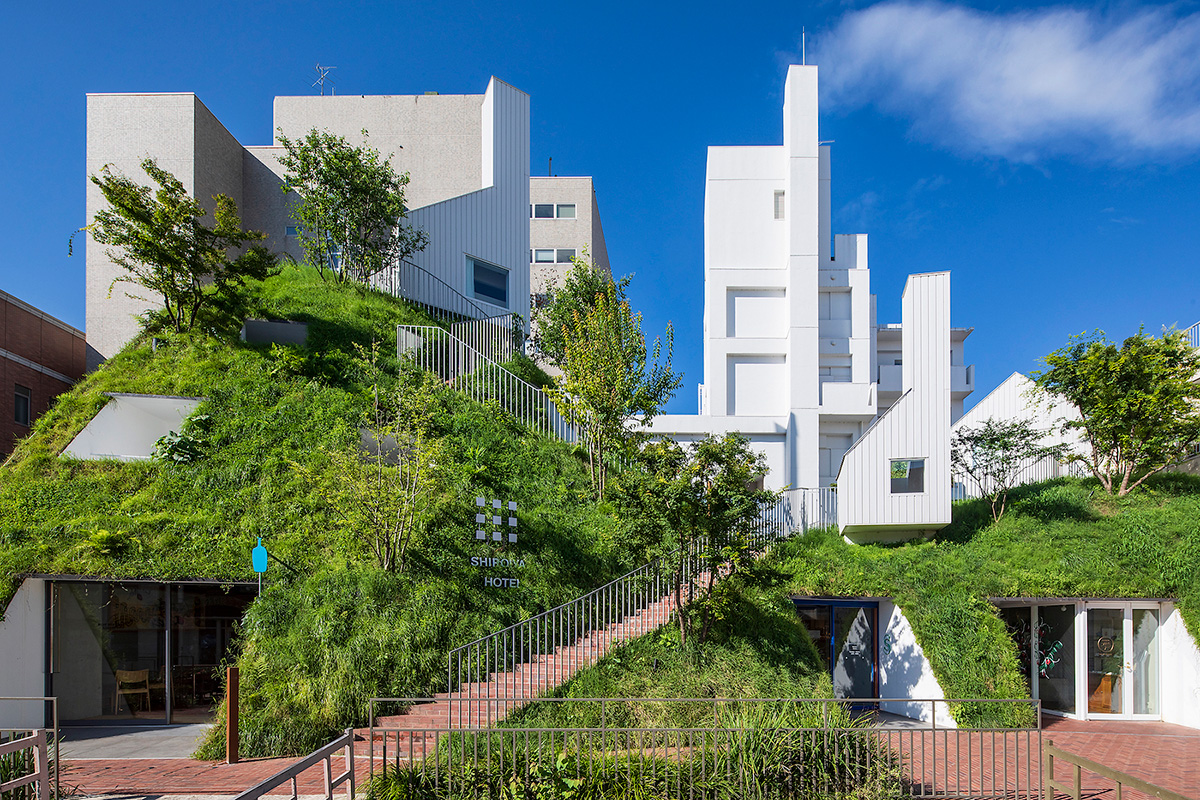
Shiroiya Hotel / 2020
「白井屋ホテル」は創業300年の老舗旅館を藤本壮介のデザインによって再生させたアートデスティネーション。国道50号側に建つ「ヘリテージタワー」の巨大な吹抜空間は、都市スケールの屋内広場であり、人々が気軽に集まることのできる街のリビング。馬場川通り側の「グリーンタワー」は敷地を挟む2つのストリートの高低差を解消すると同時に、前橋のビジョン「めぶく。」にも共鳴する緑化された土手です。このように都市と建築とランドスケープが混ざり合って生まれた「白井屋ホテル」は、前橋市中心市街地再生のフラッグシップであり、これからも街とともに変化し、互いに影響を与え合いながら地域の未来をつくっていくでしょう。
Shiroiya Hotel is a 300-year-old former traditional inn that was transformed into an art destination by the architect Sou Fujimoto. Facing National Route 50 is its Heritage Tower containing a vast atrium that serves as an urban-scale indoor plaza—a living room for the city where people can gather informally. On the Babakkawa Street side, its Green Tower mediates the elevation difference between the two streets that sandwich the site, while forming a greenery-covered embankment that resonates with Maebashi’s vision of Mebuku (to sprout). Born from the amalgamation of urban space, architecture, and landscape, Shiroiya Hotel stands as a flagship project for the revitalization of Maebashi’s city center. It will continue to mutually influence and evolve with the city to shape the future of the region.
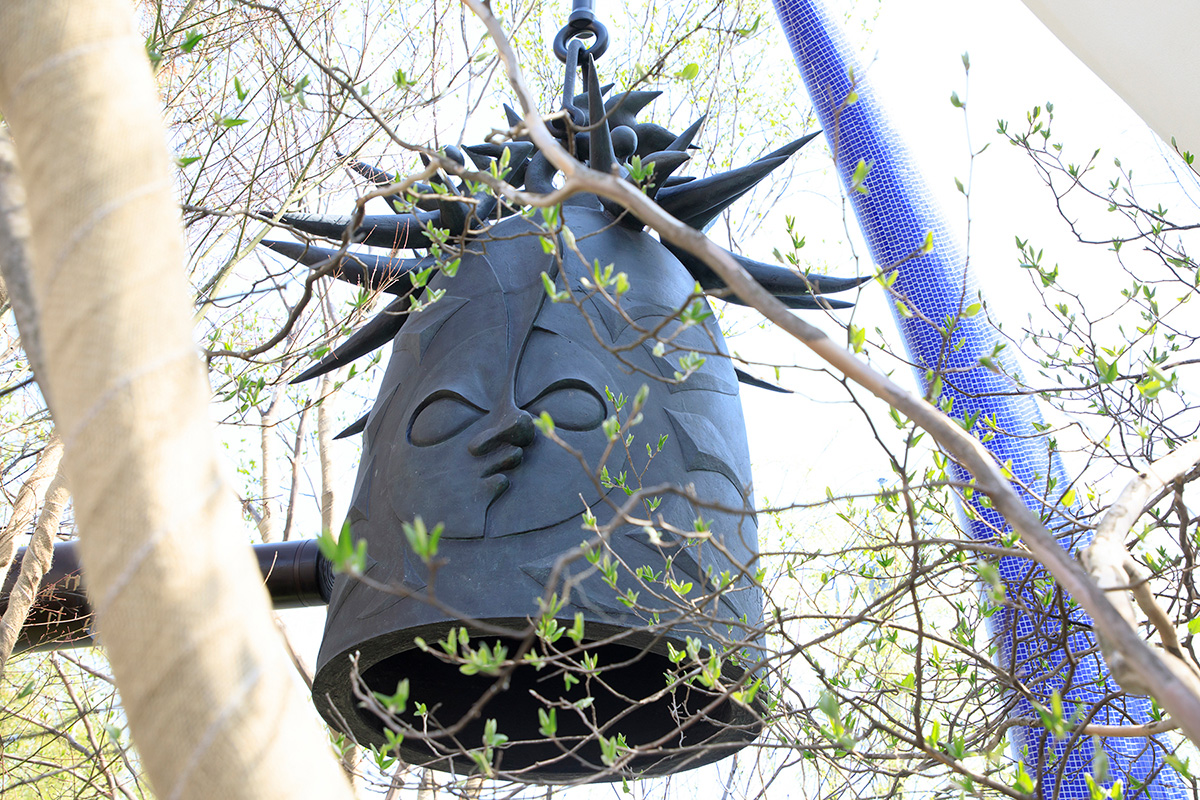
Bell of the Sun / 2018
岡本太郎のパブリックアート《太陽の鐘》の設置にあたり、藤本壮介が設計を手がけたランドスケープデザイン。鐘の持つ生命力に触発された藤本は「この森の全体を響かせたい」という意図から、緑地そのものを貫く大きな撞木を設けました。巨大な撞木は一人では撞くことができません。市民が力を合わせて引いて撞くことで、初めて《太陽の鐘》を打ち鳴らすことができるという、前橋のまちづくりビジョン「めぶく。」を体現する空間となりました。
This landscape design, created by Sou Fujimoto, was developed for the installation of Taro Okamoto’s public art piece, The Bell of the Sun. Inspired by the bell’s vitality, Fujimoto sought to “make the entire forest resonate” and installed a massive clapper that runs directly through the green space. Because the clapper cannot be moved by a single person, ringing the bell requires a collective act of citizens joing forces, making the space an embodiment of Maebashi’s urban development vision, “Mebuku.”
Sou Fujimoto
藤本壮介
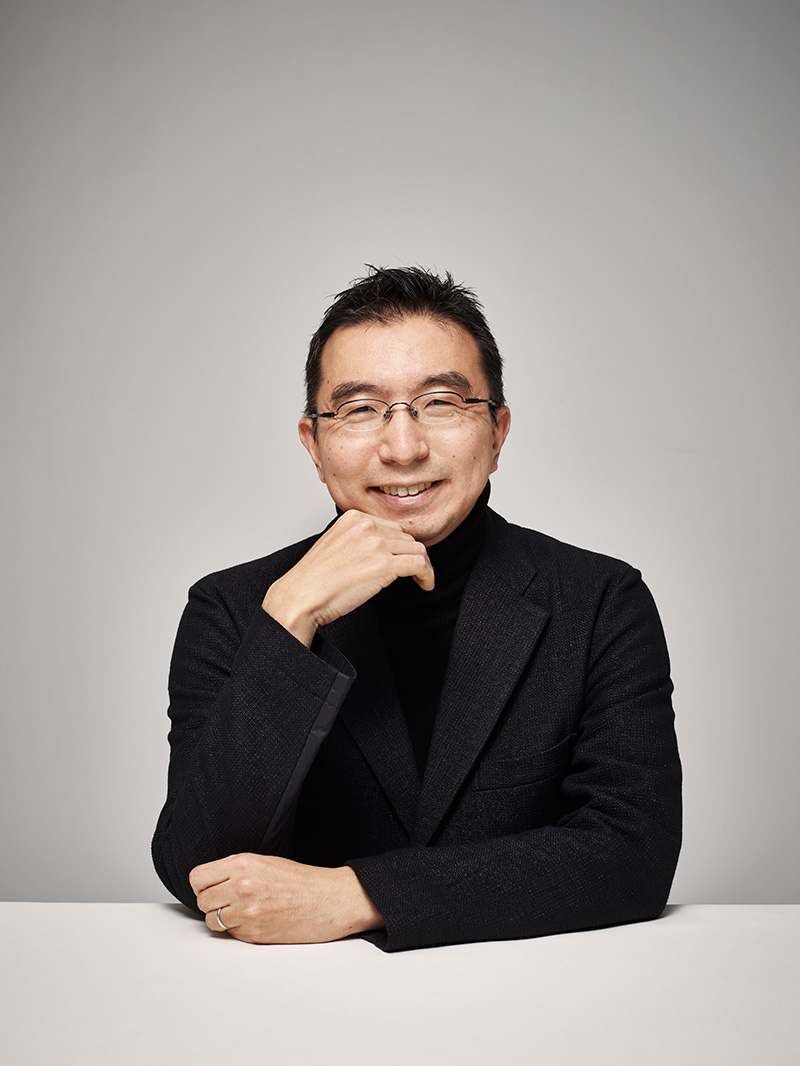
1971年北海道生まれ。東京大学工学部建築学科卒業後、2000年藤本壮介建築設計事務所を設立。2014年フランス・モンペリエ国際設計競技最優秀賞(ラルブル・ブラン)に続き、2015、2017、2018年にもヨーロッパ各国の国際設計競技にて最優秀賞を受賞。国内では、2025年日本国際博覧会の会場デザインプロデューサーに就任。
Sou Fujimoto was born in Hokkaido in 1971. Graduated from the Department of Architecture, Faculty of Engineering at Tokyo University, he established Sou Fujimoto Architects in 2000. His honors include first prize in the 2014 International Competition for the Second Folly of Montpellier, France (L'Arbre Blanc). Additionally, in 2015, 2017 and 2018, he won first prize in several European international competitions. In Japan, he was selected as the Expo site design producer for the 2025 Japan International Exposition (Osaka/Kansai Expo).
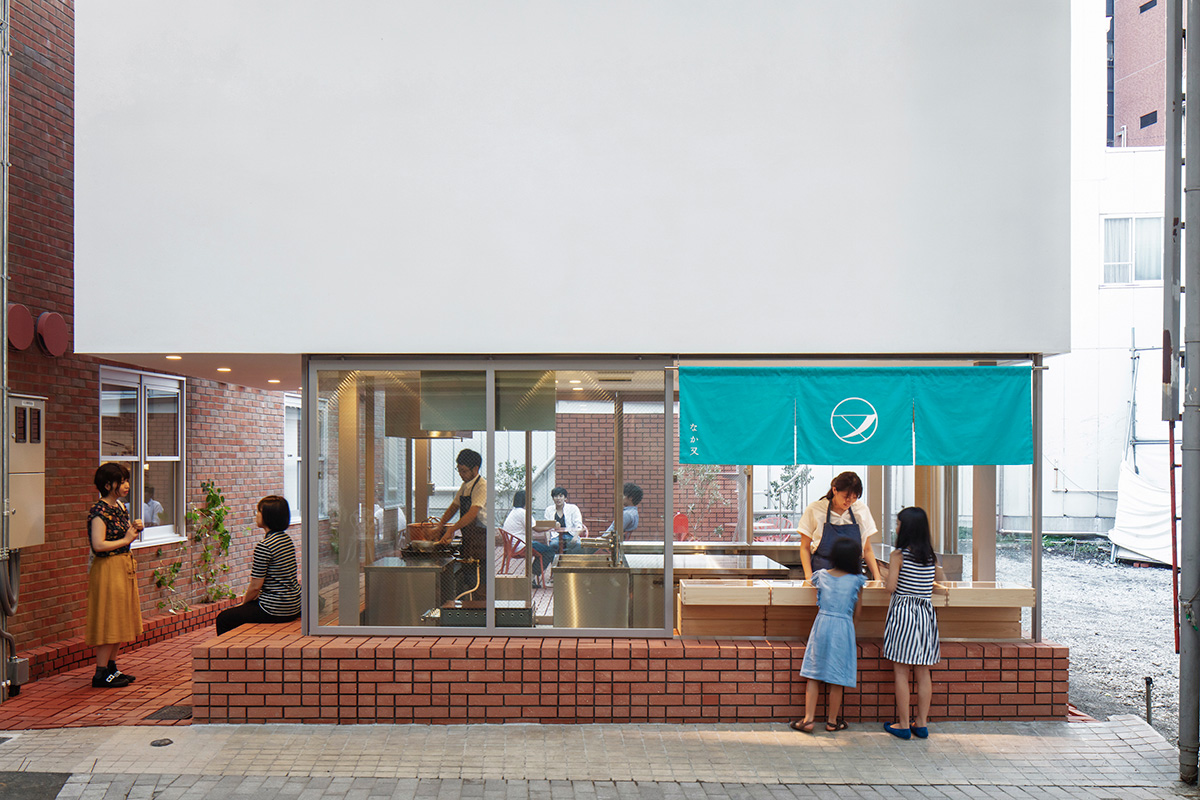
Nakamata / 2018
前橋デザインプロジェクトで「スキーマ建築計画」の長坂常が生み出した前橋中央通り商店街の和菓子店。敷地面積に対してイートインがない店舗に必要な延床面積は極端に小さかったため、縮小分の体積を利用してアーケードに直行する動線をつくり裏庭を設け、街との関わりに奥行きを生み出しました。そこにさらに縁側のように腰掛けられる空間をつくり、人々の滞留を図っています。
Nakamata is a Japanese confectionery shop in Maebashi’s Chuo-dori Shopping Street that was designed by Jo Nagasaka of Schemata Architects as part of the Maebashi Design Project. Without an eat-in area, the shop required very little floor area, and so the remaining area was used to create a circulation route that goes directly to the arcade and a back garden, creating a sense of depth with respect to the street. An engawa (veranda) sitting space encourages people to linger.
Schemata Architects / Jo Nagasaka
長坂常/スキーマ建築計画
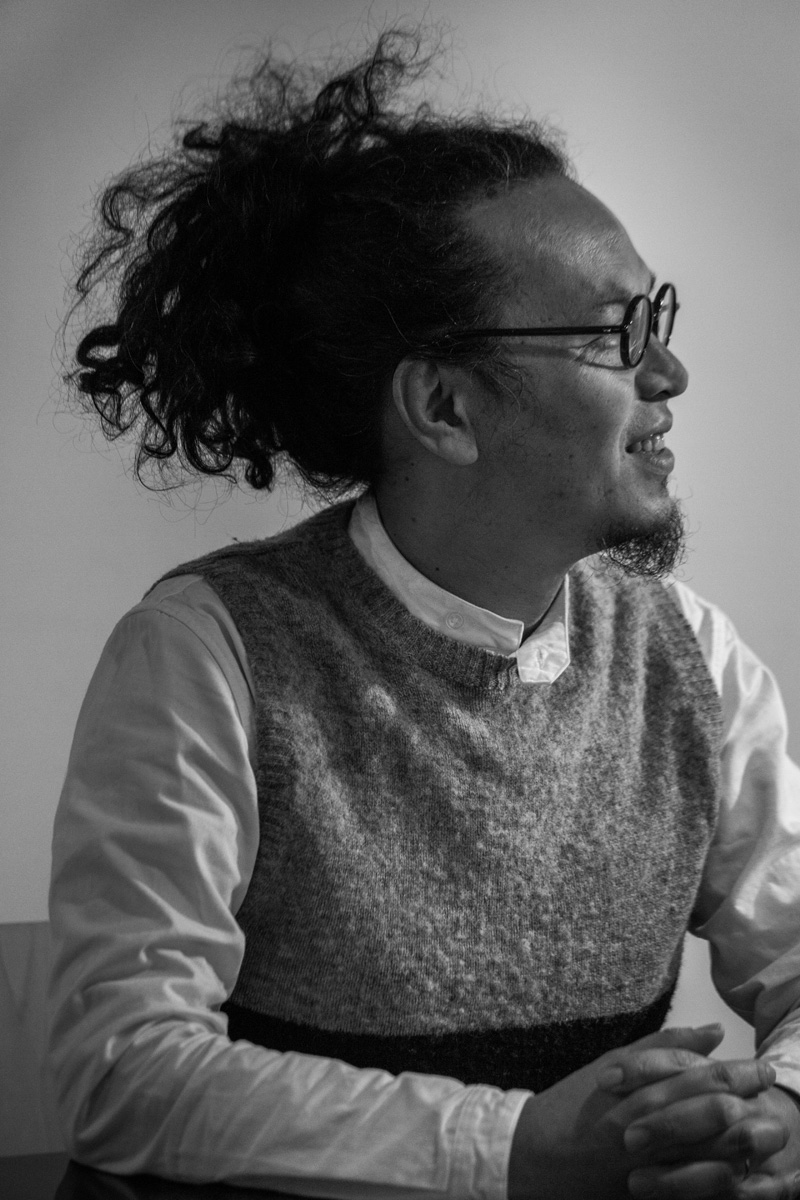
1998年東京藝術大学卒業後にスタジオを設立。日常にあるもの、既存の環境の中に新たな価値を見出し、家具から建築、まちづくりまで幅広く活動する。近年では各地で地域活性のプロジェクトにも多く携わる。近作に狛江湯(2023年)、50 Norman(2022/25年)、Teshima Factory(2025年)、著書に『半建築』(2022年)など。
Jo Nagasaka founded a studio in 1998, following graduation from Tokyo University of the Arts. He finds new value in everyday objects and existing environments, working across a wide range of fields from furniture to architecture to town planning, and has in recent years been involved in numerous regional revitalization projects across Japan. Recent works include Komaeyu (2023), 50 Norman (2022/25), and Teshima Factory (2025). Publications include Semi-Architecture (2022).
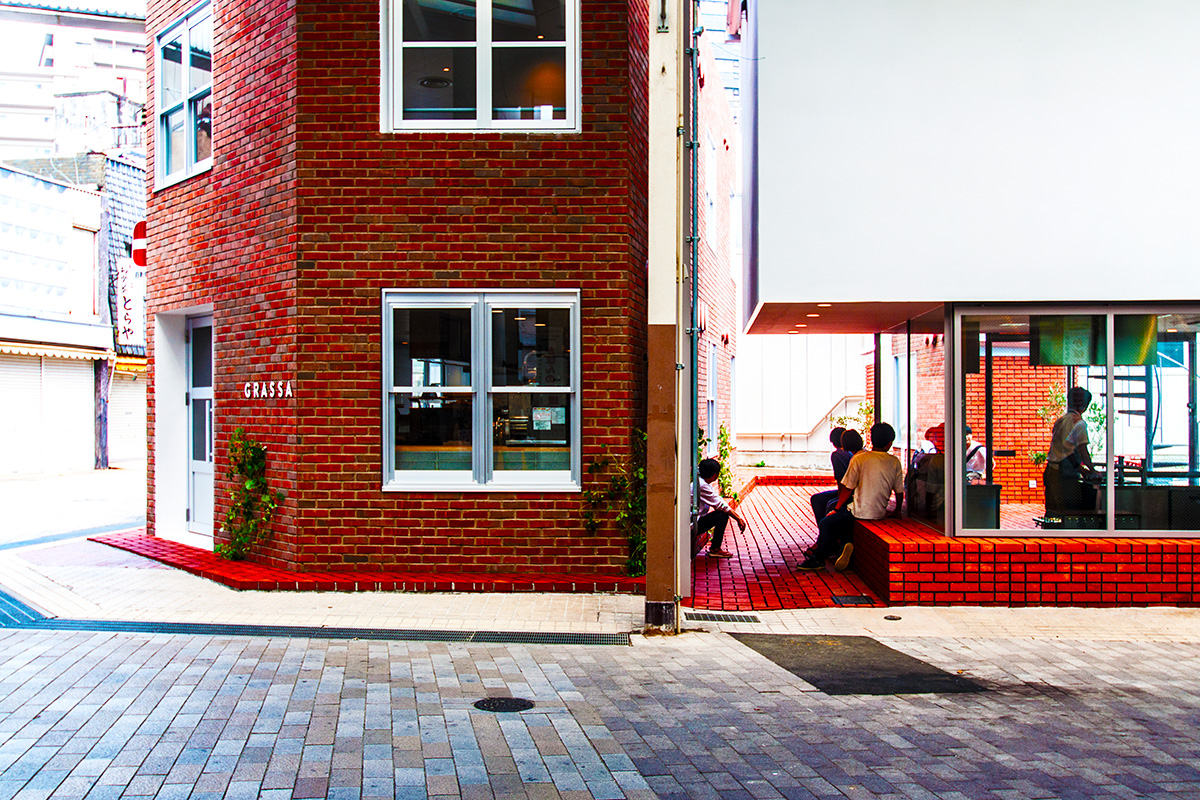
Building M (GRASSA) / 2018
前橋中央通り商店街の再生を目的とした前橋デザインプロジェクトの建築群の一つ。プロジェクトのデザインコードである〈レンガ〉に覆われた《Mビル》は、ポートランド発祥のハンドクラフト・パスタレストラン「GRASSA」のための建築です。設計者の中村竜治は、隣接する長坂常設計の和菓子店《なか又》の〈商店街の裏をつないでいく〉という密かな企みに共感し、同店の〈裏感〉を壊さないよう道路からの小路を提供しながらも、裏庭に対しては比較的素っ気ないつくり方で「隣の建物と付かず離れずの関係」をデザインしています。
The renovation of Building M was part of the Maebashi Design Project aimed at the revitalization of Maebashi’s Chuo-dori Shopping Street. Clad in brick as per the project’s design code, the building houses GRASSA, a handcrafted pasta restaurant from Portland. Resonating with the discreet aim of the adjacent Nakamata confectionery shop (designed by Jo Nagasaka) “to connect the backs of the shopping street’s buildings,” the architect Ryuji Nakamura designed a small, understated path from the street to the rear garden that preserves the back-alley feel of the shop even as it evokes a relationship with the adjacent building that is “neither too close nor too distant.”
Ryuji Nakamura
中村竜治
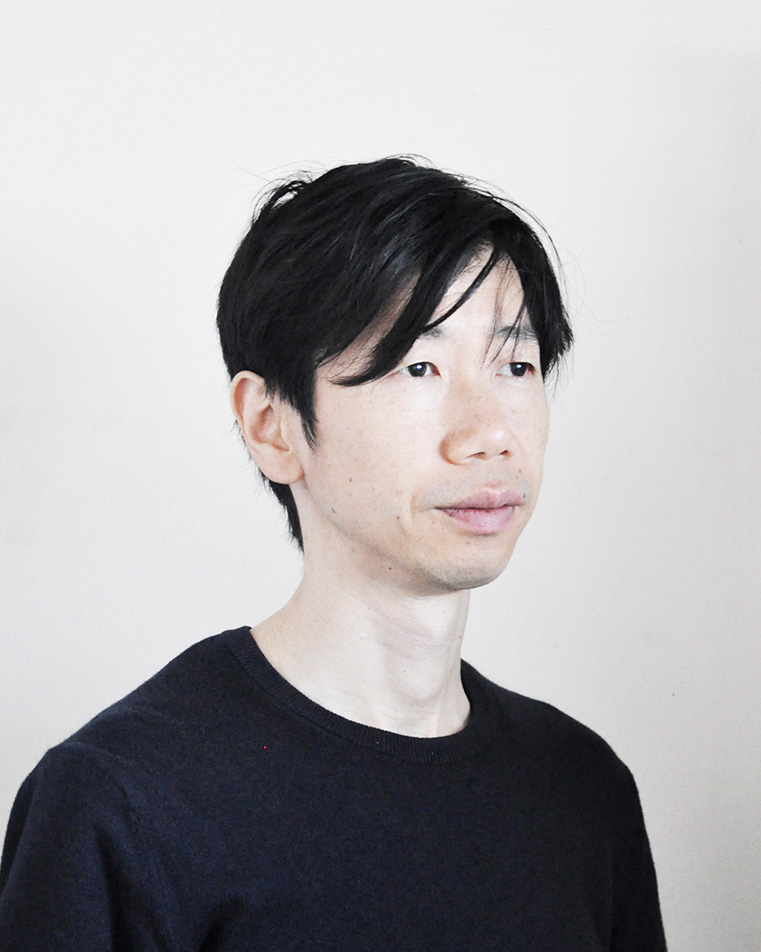
東京藝術大学大学院修士課程修了後、青木淳建築計画事務所(現AS)を経て、中村竜治建築設計事務所を設立。主な仕事に、神戸市役所1号館1階市民ロビー改装、JINS佐久平店、GOLDWIN PLAY EARTH PARK 風の遊具、住宅地に立つ倉庫など。主な受賞に、京都建築賞優秀賞、JIA新人賞など。
Ryuji Nakamura completed the Master's Program at the Graduate School of Tokyo University of the Arts, worked at Jun Aoki & Associates (now AS), and then founded Ryuji Nakamura and Associates. His works include the Renovation of the Citizens' Lobby on the 1st Floor of Kobe City Hall Building No. 1; JINS Sakudaira; GOLDWIN PLAY EARTH PARK Wind (Fu) Playset; and Warehouse in a residential area. His honors include the Kyoto Architectural Award Excellence Prize and the JIA Young Architect Award, among others.

Tote Bag “akagi”
¥2,200(tax included)

Tote Bag “river”
¥2,200(tax included)

Card Stickers (Set of 6)
¥1,100(tax included)

Pin Badge (Small)
¥440(tax included)

Pin Badges (Small)
¥440(tax included)

Pin Badge (Small)
¥440(tax included)

Pin Badge (Small)
¥440(tax included)


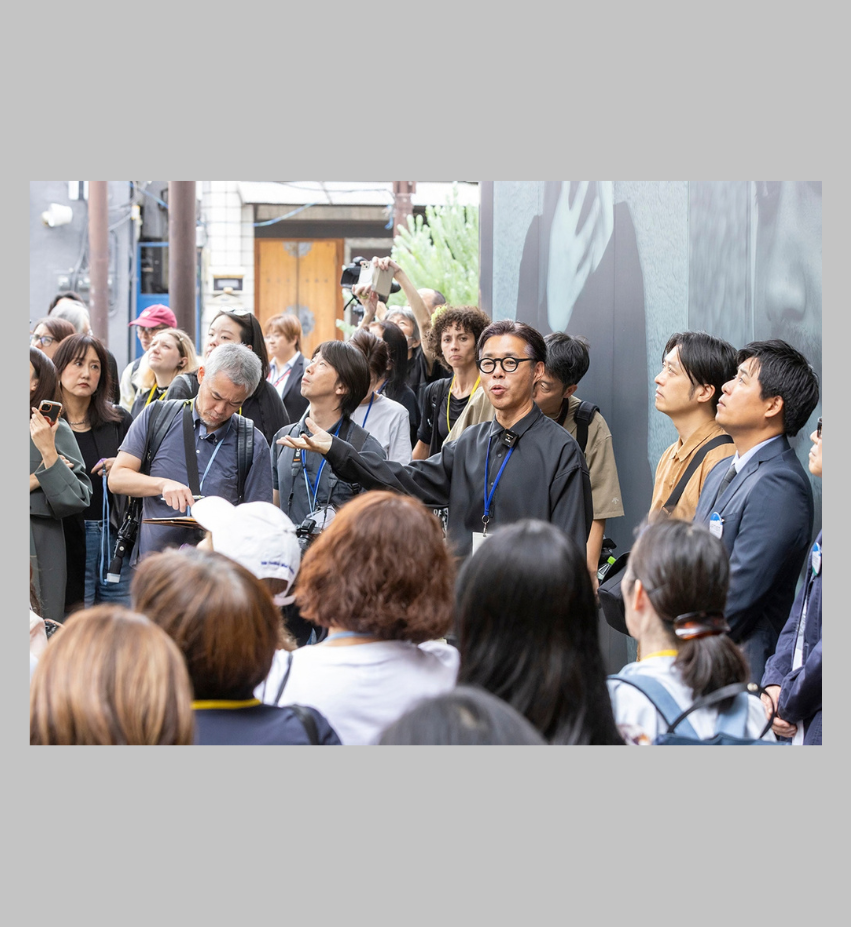


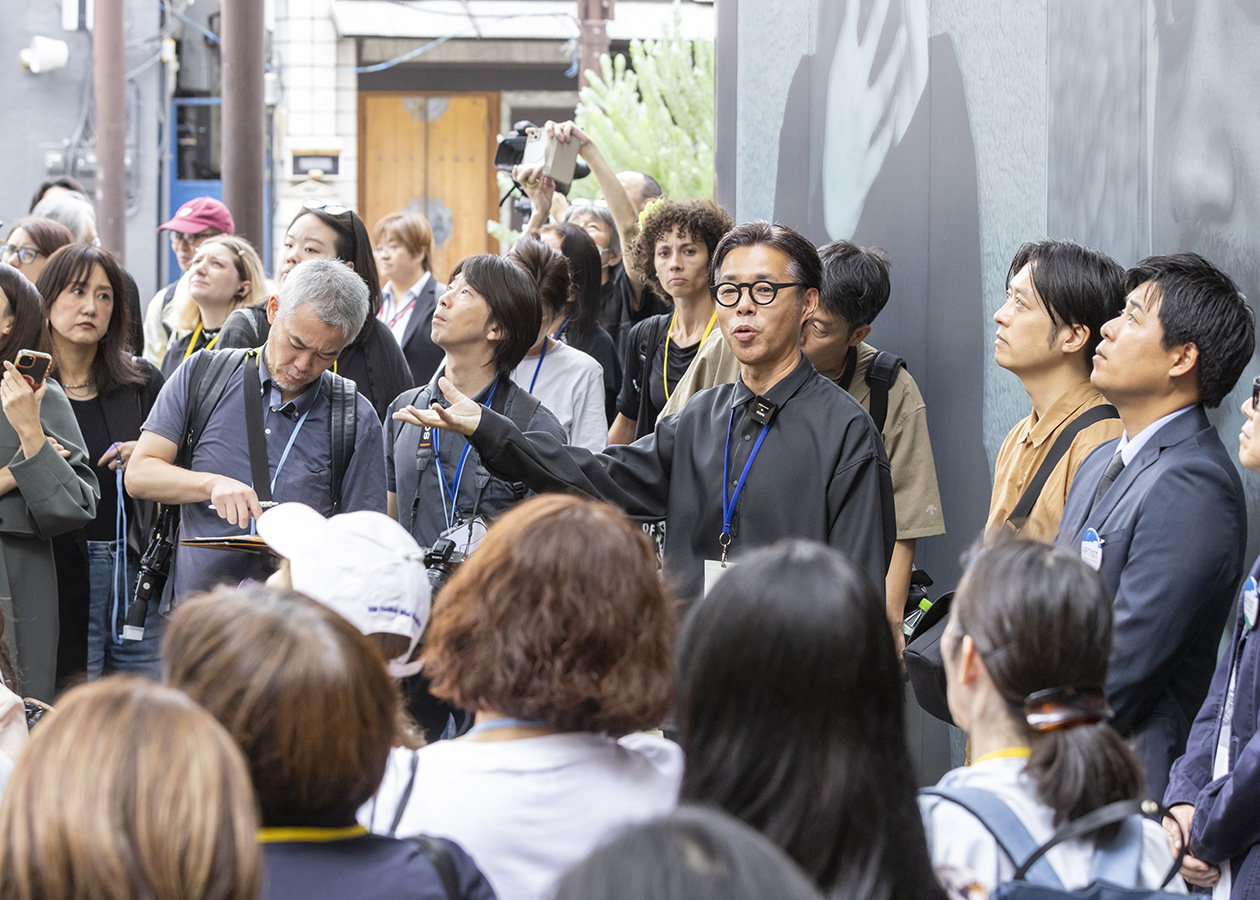


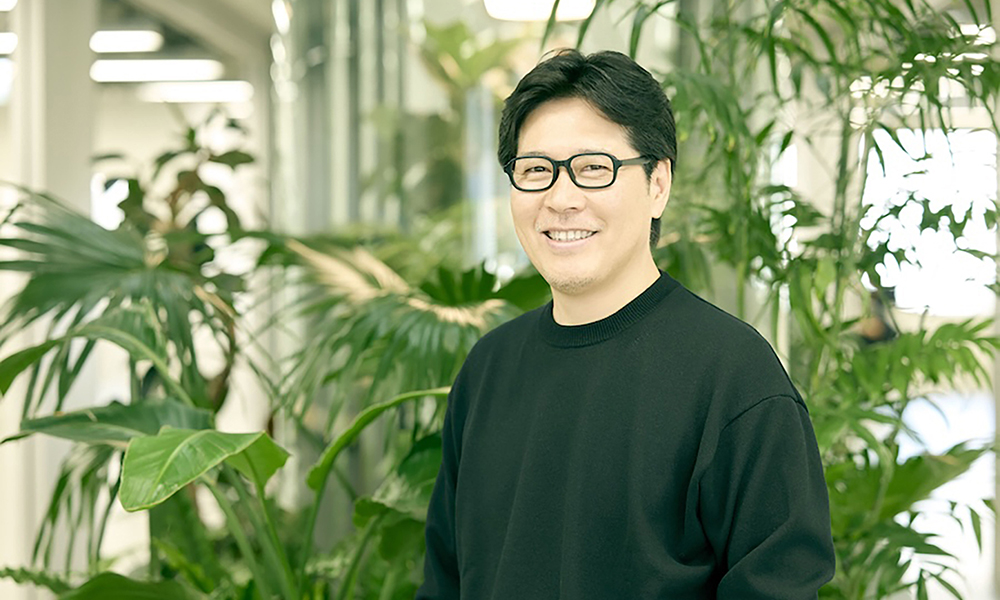






































プログラムディレクター・宮本武典と事務局長・橋本薫の両氏によるツアーを開催。
A guided tour led by Program Director Takenori Miyamoto and Secretary-General Kaoru Hashimoto.