
イベント
Events
群馬朝鮮初中級学校スクールツアー:海老原イェニが描く“在日コリアンのいま”を訪ねて
Gunma Korean Elementary and Junior High School School Tour: “Visiting Zainichi Koreans in Japan Today” as Depicted in Paintings by Yennie Ebihara
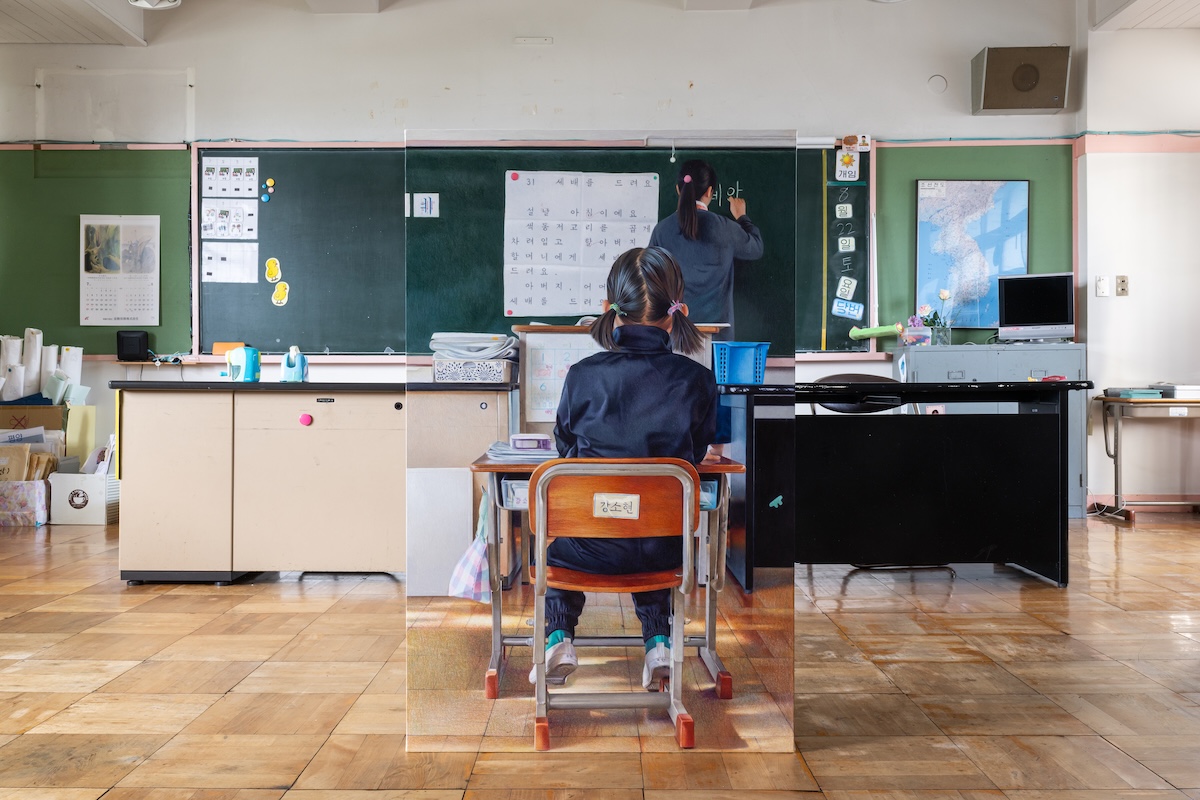
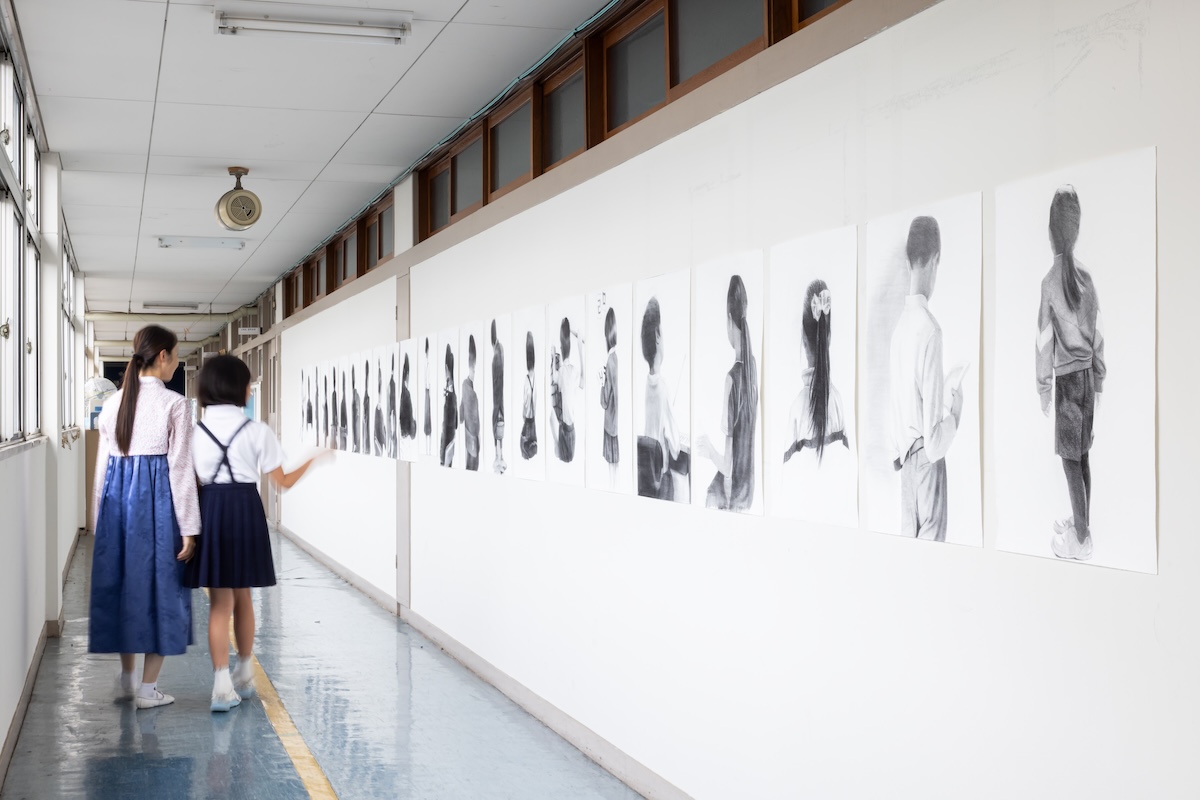
群馬朝鮮初中級学校の一室にアトリエを構え、同校の教員・児童生徒・保護者と関わりながら在日コリアンに関する長期の取材・制作を行った海老原イェニ。同校での参与観察を元に、通学する児童・生徒全員のポートレートで構成される作品《扉》を完成させますが、海老原はこれを本芸術祭の会場(アーツ前橋)に移設するのではなく、朝鮮学校のコミュニティ内に保存・展示することを望みました。前橋国際芸術祭2026実行委員会は海老原の意思を尊重し、アーツ前橋では朝鮮学校内に展示している《扉》の状況写真のみの掲示にとどめ、1日限定で群馬朝鮮初中級学校に一般鑑賞者を招待し、作品と教育活動の様子を公開するスクールツアーを実施いたします。
Over the past year, Yennie Ebihara established a studio in a classroom at Gunma Korean Elementary and Junior High School, where she conducted long-term research and developed her artistic practice around the experiences of Zainichi Koreans in Japan, while engaging with the school’s teachers, students, and parents. Based on her observations and experiences at the school, she created a series of works titled Doorway to Another Home, consisting of portraits of all the students attending the school. Ebihara wished for the work to remain within the Korean school community and to be exhibited there, rather than at the venue of the Maebashi International Art Festival, Arts Maebashi. Respecting Ebihara’s wishes, the Maebashi Biennale 2026 Executive Committee will display only photographic documentation of the exhibition at the Korean school at Arts Maebashi. In addition, on November 28, the committee will invite members of the public to Gunma Korean Elementary and Junior High School for a special exhibition tour, offering an opportunity to view the artworks and learn more about the school and its community.
【アーティストメッセージ】
《Doorway to Another Home ― 扉》は、群馬県に暮らす在日コリアンのコミュニティに焦点を当てた、一年間にわたる展示プロジェクトです。
日本による朝鮮半島の植民地支配(1910–1945年)と、それに続く朝鮮半島から日本への大規模な移住。その歴史を背景に、現在も多くの在日コリアンの子どもたちが「朝鮮学校」と呼ばれる学校に通っています。朝鮮学校は、民族の言語や文化、歴史を守り、次の世代へと伝えていく役割があります。
このプロジェクトは、群馬朝鮮初中級学校での2か月間の滞在制作から始まりました。学校では日々の授業を見学しながらスケッチを行い、生徒や先生、保護者の方々と時間を過ごし、校内の一室をアトリエにして制作しました。
ある日、それまでに描いたスケッチをすべて並べてみると、生徒の後ろ姿ばかり描いていたことに気づきました。学校でみんなと一緒に時間を過ごしながら関わっていくうちに、顔が見えていなくても、後ろ姿だけで全生徒が分かるようになっていたのです。このことは、「誰かを知る」とはどういうことなのかを考えるきっかけになり、以後、私は「後ろ姿」という視点に惹かれ、その姿が持つ絵画においての意味や可能性に興味を持ち始めました。
プロジェクトが進む中、私の関心は学校で営まれる日常へと向かうようになりました。休み時間に体育館で遊ぶ生徒たち、給食の野菜を泣きながら食べる小学生、子どもを迎えに来た保護者同士の会話、次の授業へ急ぎ足で向かう教師たち。それらはより大きな文脈の中でありながらも、私たちと変わらない日々を映し出していました。
この展示を通して、私はアイデンティティ、歴史、そして帰属することの複雑さについての対話を求めます。在日コリアンのコミュニティを、政治や歴史的背景だけを通して捉えるのではなく、そこにある一人ひとりの日常に焦点を当てることで、国や文化の違いを越え、私たちと変わりのない風景が見えてくる。そのためにはまず未知の扉を開き、本当に誰かを知ろうと思うことが大切なのです。
海老原イェニ
【Artist’s Message】
Doorway to Another Home is a year-long exhibition project exploring the Zainichi Korean community in Gunma Prefecture. Following Japan’s colonial rule of the Korean Peninsula (1910–1945) and the mass migration of Koreans to Japan, most Zainichi Koreans today attend schools known as Chōsen Gakkō, which play a crucial role in preserving their language, culture, and collective histories.
The project began with a two-month residency at Gunma Korean Elementary and Junior High School. I observed classes, spent time with students, teachers, and parents, and transformed a classroom into an art studio where I worked on sketches and portraits of the students.
At one point, I laid out all the sketches I had drawn and realized that most of the figures were depicted from behind. Through spending time at the school, I had gradually learned to recognize every student from behind without needing to see their faces. This prompted me to reflect on what it means to truly know someone, and to become interested in the meaning and potential of figures seen from behind as a subject in painting.
This way of seeing the students shifted my attention from the broader political circumstances surrounding the Zainichi Korean community, to the everyday, ordinary scenes unfolding at the school. Students playing in the gym during recess, elementary school children crying as they eat the vegetables on their lunch trays, parents chatting with one another as they come to pick up their children, and teachers hurrying to their next classes. These seemingly mundane moments became increasingly important to me, revealing their everyday life within a much larger context.
Through this exhibition, I aim to create a space for dialogue around the complexities of identity, history, and belonging. Behind politics and history are people living ordinary lives much like our own. Yet because of their ethnic background, they are often set apart and, at times, subjected to harsh scrutiny. I believe there is potential for change in simply choosing to open an unknown door, spend time with one another, and make the effort to truly know each other. In doing so, perhaps we can begin to see how our shared experiences connect us beyond national or cultural boundaries.
Yennie Kim Ebihara
開催概要
- 会場
群馬朝鮮初中級学校
- 日時
2026年11月28日(土)9:45〜12:35
- 実施時間
① 9:45〜11:00/② 11:15〜12:35
- 案内
海老原イェニ、チェ・ソンジュ、宮本武典
- 定員
各回15名(全2回)
- 料金・参加条件
前橋国際芸術祭2026パスポートチケットをご提示ください。
- 予約・申込
こちらのフォームからお申し込みください。
- 協力
群馬朝鮮初中級学校
Event Overview
- Venue
Gunma Korean Elementary and Junior High School
- Date and Time
Saturday, November 28, 2026, 9:45 a.m. – 12:35 p.m.
- Session Times
① 9:45 a.m. – 11:00 a.m. / ② 11:15 a.m. – 12:35 p.m.
- Guides
Yennie Ebihara, Choi Sung-ju, Takenori Miyamoto
- Capacity
15 participants per session (2 sessions total)
- Fee and Participation Requirements
Please present your Maebashi International Arts Festival 2026 Passport Ticket.
- Reservations and Registration
Please apply using this form.
- In cooperation with
Gunma Korean Elementary and Junior High School
海老原イェニ/2003年東京都生まれ、香港育ち。東京藝術大学絵画科油画専攻を2025年に卒業後、現在はロンドン大学ゴールドスミス校の修士課程(MFA)に在籍。絵画を主軸とする日韓のアーティストで、香港、韓国、日本、そしてロンドンといった様々な土地で暮らす経験が制作の基盤となっている。矛盾やアイロニーから生まれる問いを手掛かりに日常の風景や物事を観察し、トランスカルチュラリズム、社会構造、文化、歴史とアイデンティティという観点から制作している。作品を通して対話を促し、そこから生まれるエンパシーを重視している。
Yennie Kim Ebihara (b.2003, Tokyo. Raised in Hong Kong) is a Japanese-Korean artist primarily working in painting. After graduating from Tokyo University of the Arts with a BFA in Oil Painting, she is currently attending the MFA Fine Art program at Goldsmiths, University of London. Drawing from experiences living across Hong Kong, South Korea, Japan, and London, her work engages with the continually evolving sociocultural environments she inhabits, the questions they provoke, and their relationship to personal identity. Her recent practice begins with close observations of everyday scenes and familiar objects, through which curious contradictions, connections and moments of irony are found. These become points of entry into underlying social structures, transcultural conditions, and the ways in which historical influences persist within the everyday.Through her work, she aims to foster dialogue in search for shared empathy.